
The Swahili Culture of the East African Coast
The East African coast is not just renowned for its pristine beaches and stunning landscapes; it's also the cradle of the Swahili culture. The Swahili people, who inhabit the coastal regions of Kenya, Tanzania, Somalia, and parts of Mozambique, have a rich and vibrant culture deeply intertwined with their coastal environment. In this article, we'll guide you on how to explore the captivating Swahili culture of the East African coast.
How to Explore the Swahili Culture of the East African Coast
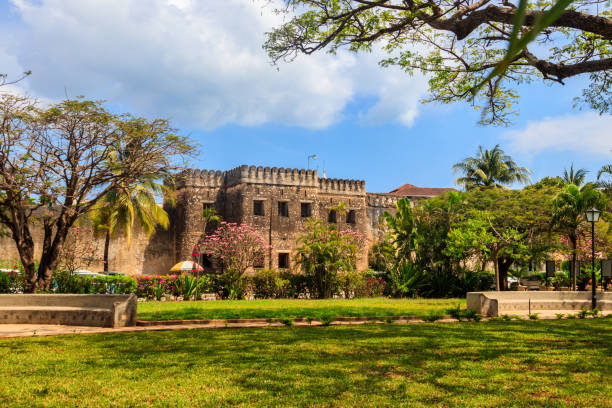
1. Visit Historical Sites
Exploring the Swahili culture begins with a visit to historical sites along the coast. Cities like Lamu in Kenya, Zanzibar and Bagamoyo in Tanzania, and the ancient port city of Mogadishu in Somalia offer a glimpse into the region's past. These cities are adorned with well-preserved architectural wonders, narrow winding streets, and centuries-old buildings that speak of a bygone era. The architecture is a testament to the fusion of Arab, Persian, Indian, and African influences
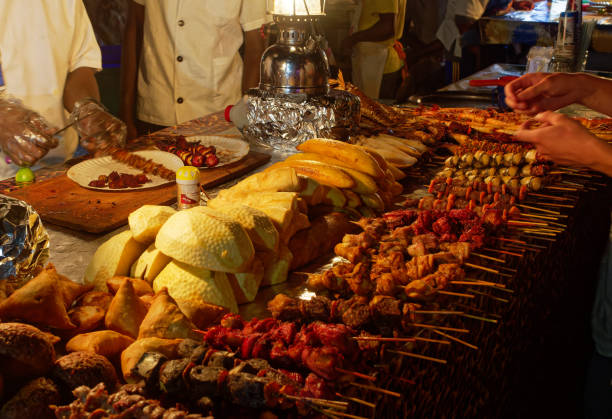
2. Indulge in Swahili Cuisine
Swahili cuisine is a delightful fusion of flavours, influenced by a history of trade and cultural exchange. To truly experience Swahili culture, indulge in local dishes such as "biriani" (a spiced rice dish), "pilau" (spiced rice with meat or fish), and the famous "Swahili coconut fish curry." You can savour these flavours in local restaurants or even join a cooking class to learn how to prepare them yourself.
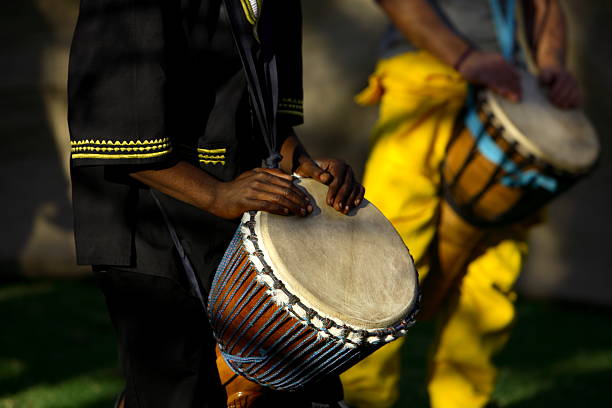
3. Attend Cultural Festivals
The East African coast hosts numerous cultural festivals that provide a unique opportunity to immerse yourself in Swahili culture. Events like the Lamu Cultural Festival in Kenya, the Sauti za Busara Music Festival in Zanzibar, and the Mogadishu International Book Fair in Somalia offer a diverse range of experiences, from traditional dances and music to art exhibitions and literary discussions.

4. Explore Local Markets
The local markets along the coast are vibrant hubs of activity and culture. Be it the Zanzibar Spice Market, the Mogadishu Bakaaro Market, or the Lamu Peponi Street Market, these places are filled with aromatic spices, colorful fabrics, and intricate handicrafts. Engaging with local vendors and artisans can provide insights into the Swahili way of life.

5. Learn the Swahili Language
Learning the Swahili language is an excellent way to connect with the culture. Swahili, a Bantu language with significant Arabic influence, is widely spoken along the coast. You can take language classes or find language exchange partners to improve your communication skills and gain a deeper understanding of the local culture.

6. Visit Cultural Centers and Museums
The East African coast is home to several cultural centers and museums dedicated to preserving and promoting Swahili heritage. The Lamu Museum in Kenya, the National Museum of Tanzania in Dar es Salaam, and the Garesa Museum in Mogadishu are just a few examples. These institutions provide a comprehensive understanding of the history, art, and traditions of the Swahili people.

7. Engage with the Local Community
The heart of Swahili culture lies in the warmth and hospitality of its people. Engage with the local community, join discussions, and participate in everyday activities. Homestays are an excellent way to connect with Swahili families and experience their way of life firsthand.

8. Enjoy Swahili Music and Dance
Swahili music and dance are an integral part of the culture. Whether it's the Taarab music of Zanzibar, the Bantu rhythms of Lamu, or the traditional dances of Mogadishu, you'll find vibrant expressions of Swahili identity through music and dance. Attend local performances and even join in the dancing for an immersive experience.
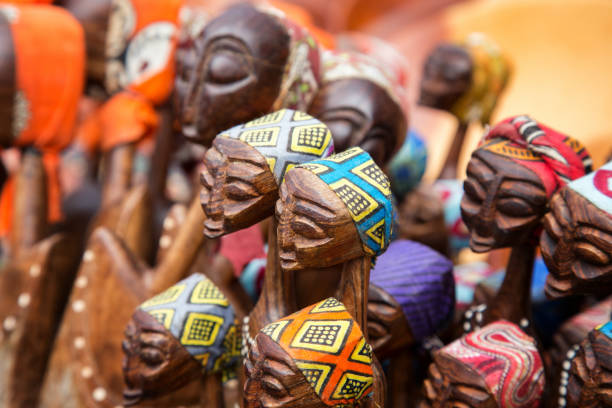
9. Explore Swahili Art and Craftsmanship
Swahili art, characterized by intricate woodcarvings, pottery, and intricate textile designs, is a visual delight. Visit local artists and craftsmen to witness their creative process and even purchase authentic Swahili artworks as souvenirs.

10. Take Part in Traditional Celebrations
Swahili culture is steeped in tradition, and various ceremonies and celebrations take place throughout the year. Participate in events like weddings, Eid celebrations, and Swahili New Year to get a firsthand experience of the community's traditions and customs.
Exploring the Swahili culture of the East African coast is an enchanting journey filled with history, art, music, and delectable
