6. Tanzania Transportation system Local movements in Tanzania. 1. Dala Dala Transportation [...]
Transportation
THE SWAHILI BLOG
Embarking on a journey to Kenya promises a tapestry of experiences, from the iconic savannahs of the Maasai Mara to the vibrant city life of Nairobi. Before you set foot on this enchanting East African travelling land, equipping yourself with essential Kenya Travel Information is the key to a seamless and enriching adventure.
Safeguarding your health is paramount when traveling to Kenya. Check with your healthcare provider well in advance to determine the recommended vaccinations. Malaria is prevalent in certain regions, so discuss suitable prophylaxis options to ensure a worry-free adventure. Our Kenya travel information prioritises your well-being, helping you navigate health precautions effectively.
Kenya's climate varies across regions, influencing the best time to visit depending on your preferences. Whether you aim to witness the Great Migration in the Maasai Mara or relax on the beaches of Diani, understanding the seasonal weather patterns is crucial. Our guide provides insights into the optimal times for wildlife safaris, cultural festivals, and beach retreats.
As you prepare for your Kenyan adventure, our comprehensive Kenya Travel Information guide serves as your trusted companion. From practical considerations to cultural insights, we've curated the essential details to make your journey memorable and hassle-free. Stay tuned for more in-depth articles covering specific aspects of this remarkable East African destination. Safe travels!
To check out Destinations and Rates, please check out [HERE]
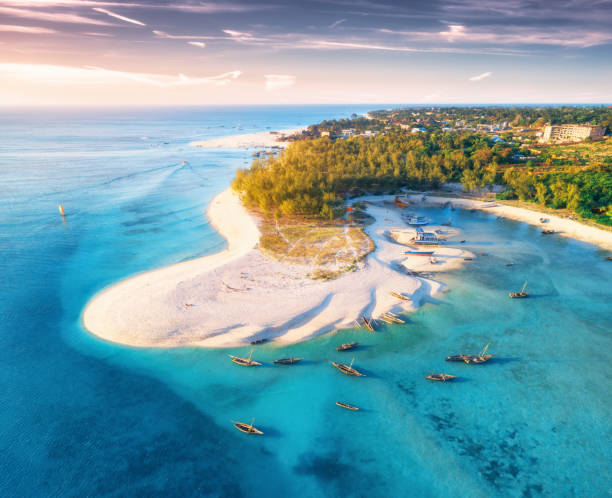
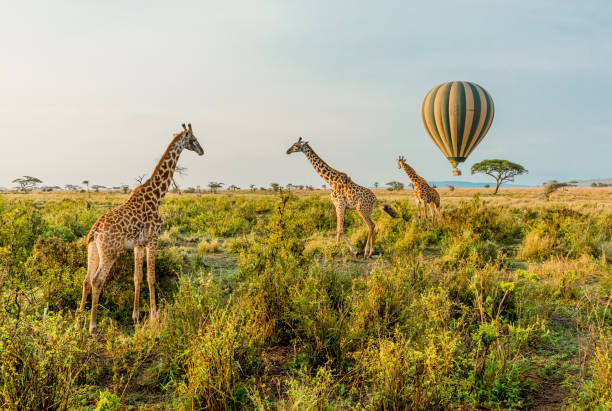


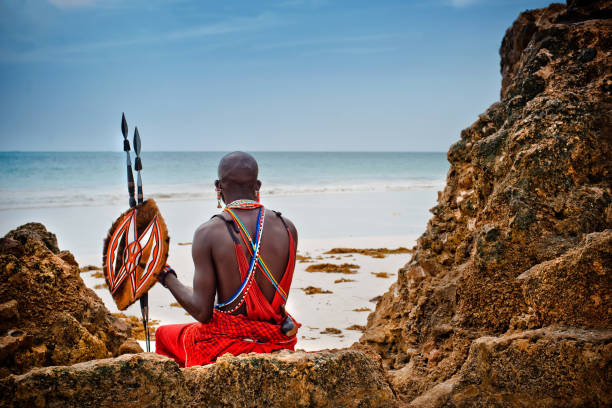
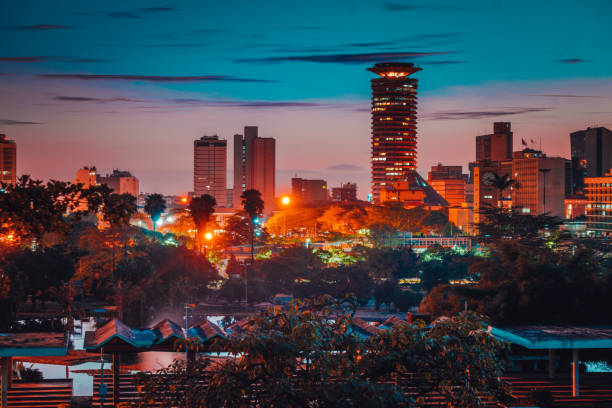
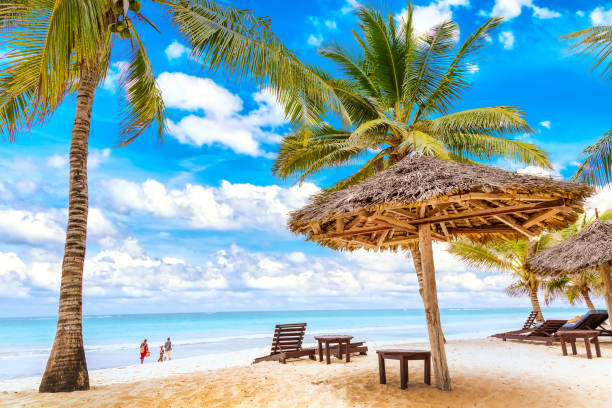
Kenya has several international airports including Jomo Kenyatta International Airport in Nairobi, Moi International Airport in Mombasa, and Eldoret International Airport. These airports are serviced by major airlines such as Emirates, Qatar Airways, KLM, British Airways, and many more. Domestic flights are also available, connecting major cities and popular tourist destinations.
Should you decide to visit Kenya, you can arrive by air at Jomo Kenyatta International Airport located in Nairobi, the capital city. It is located about 18 km from the city center and the journey can take up to an hour depending on traffic.
Transport from the airport can be arranged by pre-booking a taxi or shuttle service offered by various companies such as Kenya Airport Transfers, Jambo Shuttle, and Nairobi Airport Shuttle. The cost of these services varies depending on the company and distance to your destination.
Alternatively, you can hire a car from the airport through various car rental companies such as Avis, Budget, Europcar, and Hertz. The cost of hiring a car depends on the type of car and duration of rental.
If you prefer public transportation, there are buses and matatus (shared taxis) that run between the airport and the city center. The cost of these options is relatively cheap, but they can be crowded and unreliable.
It is important to note that some areas in Kenya, particularly along the coast and near the Somalia border, have security concerns. It is recommended to research and follow travel advisories from your country's foreign office or embassy before traveling to Kenya.
All visitors to Kenya must present a valid passport on entry with at least 6 months validity beyond the date of entry.
Visitors need a visa to enter Kenya, which can be obtained online through the eVisa portal: https://www.ecitizen.go.ke/ or on arrival at the airport. However, it is recommended to obtain the eVisa prior to travel to avoid delays and possible issues. The eVisa application process requires uploading a passport photo and a copy of the passport's bio data page.
Single-entry visas for tourism purposes cost $51 USD, while multiple-entry visas cost $100 USD. Business visas cost $100 USD for single entry and $250 USD for multiple entries.
Nationals from certain countries are exempt from visa fees, including Barbados, Belize, Botswana, Brunei, Burundi, Cyprus, Darussalam, Dominica, Fiji, Ghana, Grenada, Jamaica, Kiribati, Lesotho, Malawi, Malaysia, Maldives, Mauritius, Namibia, Nauru, Papua New Guinea, Rwanda, Samoa, Seychelles, Sierra Leone, Singapore, Solomon Islands, South Africa, St. Kitts and Nevis, St. Lucia, St. Vincent and Grenadines, Swaziland, Tanzania, Tonga, Trinidad and Tobago, Tuvalu, Uganda, Vanuatu, and Zambia.
It is important to note that visa requirements can change, so it is recommended to check with the Kenyan embassy or consulate in your home country for up-to-date information.Public transportation in Kenya consists of buses, matatus (minibuses), and taxis. Buses and matatus are the most common mode of transportation for locals and travelers. The fare for these modes of transport ranges from KES 20 to KES 200 depending on the distance and type of vehicle. Taxis are available in major cities and are relatively more expensive than buses and matatus.
Tour companies in Kenya offer private hire vehicles with or without a driver for those who prefer more comfort and convenience. These can be booked online or through travel agencies.
It's worth noting that road accidents are a major concern in Kenya, and caution should be exercised when traveling by road. It is advisable to use reputable tour companies and registered taxis for safety purposes.
Here are some helpful links for transportation in Kenya:
To get a SIM card in Kenya, visitors need to show their passport as a form of identification. Major mobile network operators in Kenya include Safaricom, Airtel, and Telkom Kenya, and SIM cards can be purchased from their retail outlets or from authorized dealers. The cost of a SIM card is usually around KES 100-200 ($1-$2).
Mobile network coverage is widely available in most parts of Kenya, including rural areas. Visitors can use their international mobile phones in Kenya, but it is recommended to check with their service provider for roaming rates and coverage before departing for Kenya. International calls from Kenya can be made using mobile phones or landlines, and rates vary depending on the service provider and the destination country.
Most hotels and restaurants in Kenya offer WIFI access, and internet cafes are also widely available in urban areas. However, the bandwidth can be slow and unreliable in some areas. Visitors can also purchase data bundles from mobile network operators for internet access on their mobile devices.
In Kenya, the official currency is the Kenyan Shilling (KES). Visitors can easily convert major currencies such as the US Dollar, GB Pound, and Euro to the local currency at licensed foreign exchange bureaus or banks. However, the rate at hotels may be less favorable. It is important to note that significantly poorer rates - up to 20% lower - are offered for denominations of US$20 or less. It is recommended to check the newspapers for the rates in the leading forex bureaus. The Central Bank of Kenya provides an indication of the exchange rate for major currencies on their website.
It is also important to note that banks and forex bureaus in Kenya do not accept US dollar banknotes printed before 2006. They also do not accept any torn or blemished notes, no matter how insignificant the damage. It is advisable to ensure that the banknotes are in good condition before attempting to exchange them.
The official currency of Kenya is the Kenyan Shilling (KES). Notes in circulation are KES 1,000, 500, 200, 100, and 50, and coins are in denominations of KES 40, 20, 10, 5, and 1.
Most hotels and facilities in Kenya prefer payment in Kenyan Shillings, although some may accept US Dollars. It is recommended to exchange your foreign currency for Kenyan Shillings at licensed forex bureaus or banks to get the best exchange rates.
Here are some useful links for checking the current exchange rates:
It is important to note that it is illegal to use US Dollars or any other foreign currency for transactions in Kenya, except in some instances such as when paying for visas at the airport. Also, be cautious of accepting large denomination notes (e.g. KES 1,000) as some establishments may not have enough change.
Credit card fraud and thefts are also a concern in Kenya, especially in tourist areas such as Nairobi, Mombasa, and Diani Beach. Visitors are advised to take precautions such as keeping their credit cards in sight during transactions and not sharing their PINs. Visa and MasterCard are widely accepted in Kenya, and American Express is accepted in some places but not as widely. Major banks such as Barclays, Standard Chartered, and KCB have ATMs that accept international credit cards. However, it's advisable to have cash on hand for smaller transactions, as not all establishments accept credit cards. Travelers can also use prepaid travel cards, which can be loaded with Kenyan shillings or other currencies and used like a debit card. It's important to note that some hotels and safari lodges may add a surcharge of 5-10% for credit card transactions.
Kenya also follows the East Africa Time Zone (EAT) with a GMT offset of +3 hours. However, Kenya observes daylight saving time, known as East Africa Time (EAT) during the months of March to November. During this time, the country moves one hour ahead to GMT+3, and then switches back to GMT+2 from November to March.
Here's a link to a website that provides current time in Kenya: https://www.timeanddate.com/worldclock/kenya/nairobi
In Kenya, banks are typically open from 9:00 to 16:00 on weekdays and from 9:00 to 12:00 on Saturdays. However, some banks have longer operating hours, particularly in major cities like Nairobi and Mombasa.
ATMs of major banks in Kenya are widely available throughout the country, and you can withdraw money using your Visa or Mastercard. Some popular banks in Kenya include Equity Bank, Kenya Commercial Bank, and Standard Chartered Bank.
Here are some links to these banks' websites for more information on their services and rates:
In Kenya, the electricity supply is 240 volts AC, 50 cycles, and plugs are usually three-pin, British standard. However, some outlets may require an adapter, especially in rural areas. Voltage fluctuations and power outages can occur, so it's advisable to carry a surge protector or voltage stabilizer for sensitive electronic devices. Load shedding is also common, particularly during times of high demand. Visitors should be prepared for potential power interruptions and plan accordingly.
In Kenya, postal services are also available and handled by the national postal corporation known as Posta Kenya. Inland postage takes 2 to 3 days while international mail takes between 7 to 14 days depending on the destination country. However, due to concerns of pilferage, it is not recommended to send valuable items through the postal system.
Courier services in Kenya are widely available, with companies such as DHL, FedEx, and UPS offering international and domestic courier services. Local courier services are also available, with companies such as G4S and Wells Fargo offering delivery services within Kenya. Rates for these services vary depending on the weight, destination, and urgency of the shipmentSimilarly, in Kenya, a valid yellow fever vaccination certificate is required for travelers arriving from countries with risk of yellow fever transmission, including but not limited to Uganda. The vaccination must be taken at least 10 days prior to entry into Kenya. Without a valid certificate, travelers may be denied entry or subjected to vaccination upon arrival at a cost. It is important for travelers to check the latest vaccination requirements before their trip to Kenya. More information can be found on the website of the Ministry of Health in Kenya: https://www.health.go.ke/
In general, it can be challenging to find disabled-friendly accommodation in Kenya. However, some hotels and lodges have accessible rooms and facilities for people with disabilities. It is advisable to check with the hotel or lodge beforehand to ensure they have the necessary facilities to meet your needs.
By air: Jomo Kenyatta International Airport in Nairobi and Moi International Airport in Mombasa have wheelchairs and other facilities for people with disabilities. Staff are available to assist with entering or exiting the aircraft.
By bus: Most buses and matatus (taxis) in Kenya are not designed to accommodate wheelchairs. Getting on and off can be difficult, and fellow passengers may need to assist. Private transfers or hiring a car with a driver may be a better option.
By car: Tour companies often use 4-wheel-drive cars and minivans, which can be higher than normal cars, making transfers more challenging. Drivers and guides are often willing to help, but it is essential to explain your needs thoroughly and stay in control during any transfers.
Kenyan roads can be bumpy, so if you are prone to skin damage, it is essential to take extra care. You can bring your pressure-relieving cushion and pad around knees and elbows if necessary.
In Kenya, dressing is also an important aspect of social and business interactions. It is important to dress modestly, particularly in rural areas or conservative settings. For men, a suit and tie are appropriate for formal business situations, while dress pants and a collared shirt are acceptable in more casual settings. In rural areas, a nice collared shirt and trousers are usually acceptable.
Women should dress modestly, avoiding revealing clothing or anything too tight. Skirts or dresses should be knee-length or longer, and shoulders should be covered. In more conservative settings, it is recommended to wear traditional Kenyan clothing, such as a kitenge or kanga.
It is also important to consider the weather, as Kenya can be quite hot. Lightweight, breathable fabrics such as cotton are recommended. Additionally, it is always a good idea to check with locals or colleagues for specific dress expectations in certain settings.
In Kenya, taxis are a common mode of transportation in urban areas. Taxis are usually painted with distinctive colors, such as yellow, green, or white, depending on the city. The rates for taxis vary depending on the distance and the location. In Nairobi, for example, taxi fares start at around KES 100 (less than $1) for short trips within the city center and can go up to KES 3,000 (around $30) for longer trips or trips to other cities. Uber is also available in Kenya, and you can download the app to request a ride. The rates for Uber are generally lower than traditional taxis.
Kenya is also a multilingual country with more than 60 languages spoken. The two official languages are English and Swahili. English is widely spoken in urban areas and is used for business, education, and government. Swahili, on the other hand, is the national language and is widely spoken throughout the country, especially in rural areas.
Swahili is also an important language for trade and communication in East Africa, making it a useful language to learn for those planning to do business in the region. Other languages spoken in Kenya include Kikuyu, Luo, Luhya, Kalenjin, and many more.
Here's a link to a useful website on languages in Kenya: https://www.ethnologue.com/country/KE/languages.
In Kenya, the work week also begins on Monday and ends on Friday, with some offices and businesses operating on Saturdays. The average working hours per week are 45, with a maximum of 52 hours per week including overtime. Lunch breaks are typically one hour long.
Most offices and businesses in Kenya open from 8:00 am to 5:00 pm with a one-hour lunch break between 1:00 pm and 2:00 pm. However, some businesses may operate longer hours, especially in the hospitality and service industries.
Here's a link to more information on working hours and conditions in Kenya: https://www.doingbusiness.org/en/data/exploreeconomies/kenya#starting-a-businessIn Nairobi, there are also a wide range of restaurants catering to most tastes, including good Italian, Indian, Chinese, Korean, West African and other international cuisines.
The Westlands area is known for its variety of restaurants, including Indian and Chinese options. There are also many restaurants in the central business district (CBD), particularly around the Kenyatta Avenue and Wabera Street areas.
For supermarkets, there are several options including Naivas, Quickmart, Chandarana, and Carrefour which sell both local and imported food. Fresh food can also be found in local markets such as City Market and Ngara Market. Vegetarians are likely to find a variety of options in Indian and vegetarian restaurants.
It is important to note that halal options are also available in Nairobi, particularly in areas such as Eastleigh and around mosques.
If you're looking for souvenirs to take back from Kenya, there are several places you can visit to purchase handicrafts that reflect the local culture. Nairobi, the capital city, has several markets where you can find a variety of items, including the Maasai Market, which takes place at different locations throughout the city on different days of the week.
The Maasai Market is known for selling a wide variety of handicrafts, including beaded jewelry, traditional clothing, wooden carvings, and paintings. You can also find soapstone carvings, woven baskets, and other handmade items at the market. Prices vary depending on the item and the seller, but bargaining is generally expected.
If you're looking for more high-end souvenirs, you can visit the Utamaduni Craft Centre in Nairobi. The center features a wide variety of handmade items, including furniture, pottery, jewelry, and clothing. The items are made by local artisans, and the proceeds go towards supporting their livelihoods. The prices at Utamaduni are higher than at the Maasai Market, but the quality of the items is generally higher as well.
You can also find handicrafts for sale at many of the national parks and reserves in Kenya, such as Amboseli National Park and the Maasai Mara Reserve. The items sold at these locations are often made by local communities living near the parks, and purchasing them can help support these communities' livelihoods.
There are several major laws in Kenya that visitors should be aware of when visiting the country. Here are some of the most important laws to keep in mind:
These are just a few of the major laws that visitors to Kenya should be aware of when visiting the country. It's important to research the laws and regulations in advance to ensure that you have a safe and enjoyable trip.
Photography of security forces, diplomatic sites, government installations, and airports is generally prohibited in Kenya, and individuals who violate these rules may face legal consequences. It is also prohibited to take photos of Owen Falls Dam, which is located at the source of the Nile near Jinja.
In addition, visitors should always ask for permission before taking photos of individuals in Kenya. This is especially important when photographing children or members of local communities, as some people may be uncomfortable or offended by having their picture taken without consent.
It's worth noting that some areas of Kenya may have additional restrictions on photography, particularly in regions that are sensitive to security issues or political tensions. Visitors should be aware of any local regulations or customs regarding photography and should always respect the wishes of those they are photographing.
Kenya offers a wide range of sports and leisure activities for visitors to enjoy. With a moderate climate throughout the year, outdoor activities such as tennis, golf, swimming, and football can be enjoyed all year round. Visitors can also go hiking, camping, and wildlife viewing in national parks such as the Maasai Mara and Amboseli. In addition, Kenya is a popular destination for water sports such as snorkeling, scuba diving, and deep-sea fishing. The Kenyan coast, particularly the towns of Malindi and Mombasa, offers some of the best beaches in the region and is ideal for sailing, windsurfing, and kite surfing. For those interested in fitness and wellness, many gyms and fitness centers can be found in major cities such as Nairobi and Mombasa. Yoga and Pilates classes are also available in some areas. |
Approximately 55 million
Religion is an important part of life in Kenya, with the majority of the population identifying as either Christian or Muslim. There are also significant populations of Hindus, Sikhs, and followers of traditional African religions.
Christianity is the largest religion in Kenya, with around 85% of the population identifying as either Protestant or Roman Catholic. There are also smaller numbers of Orthodox Christians and members of other Christian denominations. Islam is the second-largest religion in Kenya, with around 10% of the population identifying as Muslim.
Hinduism and Sikhism are also practiced by small but significant numbers of people in Kenya, particularly among the Indian and South Asian communities. Traditional African religions, which include a variety of indigenous beliefs and practices, are also still observed by some communities in Kenya.
Religious freedom is protected by the Kenyan constitution, and people are generally free to practice their chosen religion without fear of persecution or discrimination. Religious organizations also play an important role in Kenyan society, providing social services and advocating for the needs of their communities.
In Kenya, there are both national public holidays and regional public holidays. National public holidays are observed throughout the country, while regional public holidays are observed only in specific regions.
Here is a list of all public holidays in Kenya:
The national flag of Kenya consists of three equal horizontal bands of black, red, and green with a white, symmetrical Maasai shield and two crossed spears in the center. The black stripe represents the people of Kenya, the red stripe represents the blood shed in the struggle for independence, and the green stripe represents Kenya's natural wealth and agriculture. The Maasai shield and spears symbolize the defense of freedom.
You can learn more about the national flag of Kenya on the official website of the Kenyan government: https://www.kenya.go.ke/about-kenya/symbols-of-kenya/flag/
In case of an emergency in Kenya, the following contacts can be useful:
Transportation
6. Tanzania Transportation system Local movements in Tanzania. 1. Dala Dala Transportation [...]
Swahili People
Street Famous Swahili Cuisine 1: Swahili Cuisine: Nyama Choma the delicious. 1: More than [...]
Swahili Language
Translation Apps to Swahili Language for Travelers to East Africa Traveling to [...]
African Knowledge
Africa's Response to COP28 Challenges and Economic Dynamics Discover the intricate challenges [...]
African Knowledge
Synthetic Hair in Kenya In the vibrant city of Kisumu, Kenya, a [...]
African Knowledge
Sustainable Practices in East African Agriculture Agriculture is the backbone of East [...]