6. Tanzania Transportation system Local movements in Tanzania. 1. Dala Dala Transportation [...]
Transportation
THE SWAHILI BLOG
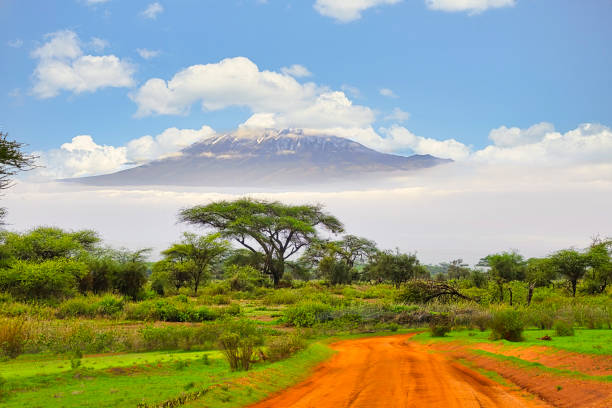
Welcome to the heart of East Africa – Tanzania, a land of diverse landscapes, rich cultures, and unparalleled wildlife. In this Tanzania Travel Information guide, we'll delve into the must-visit destinations, cultural insights, and essential tips for making the most of your Tanzanian adventure.
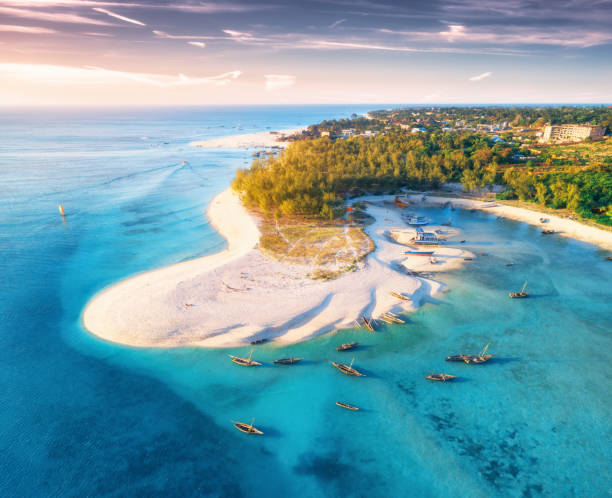
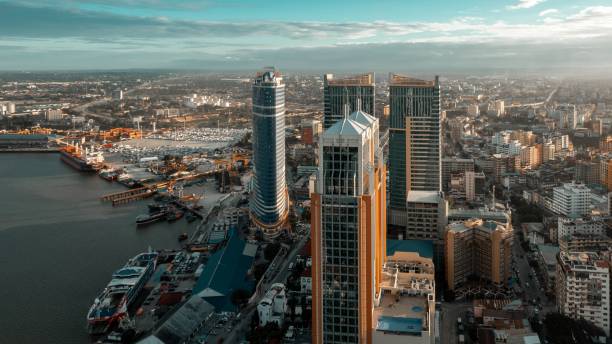
Nestled on the eastern coast of Africa, Tanzania boasts a tapestry of wonders, from the vast Serengeti plains to the pristine beaches of Zanzibar. Begin your journey in the bustling city of Dar es Salaam, a vibrant blend of modernity and tradition.
Immerse yourself in Tanzania's rich cultural tapestry. From the rhythmic beats of traditional music to the colorful Maasai marketplaces, each experience provides a glimpse into the country's history and heritage.
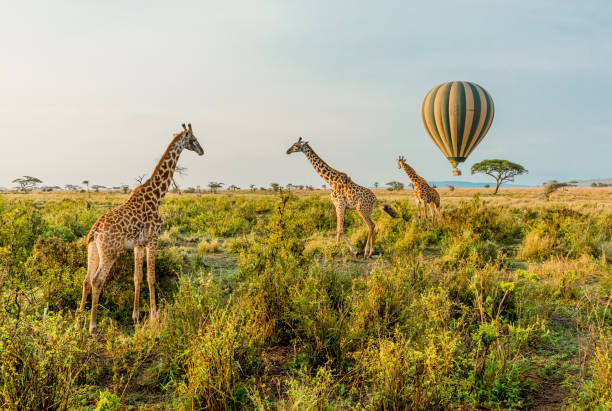
In the heart of East Africa, the Serengeti National Park beckons with its breathtaking wildlife and sweeping landscapes. Witness the great migration, where millions of wildebeest and zebras traverse the plains in search of greener pastures. For an authentic safari experience, check out our guide on the best times to visit and recommended tour operators.
No trip to Tanzania is complete without a safari adventure. Witness the awe-inspiring migration of wildebeest in the Serengeti and encounter the majestic Big Five in Ngorongoro Crater.
As you plan your Tanzanian adventure, let this guide be your compass. From the savannahs of the Serengeti to the spice-scented air of Zanzibar, Tanzania promises an experience like no other. Start your journey today and unravel the treasures of this East African gem.



If you're planning to visit Tanzania, we can help arrange your pick up and accommodation, with the cost depending on the duration of your stay. However, if you haven't pre-arranged your visit, you'll likely be arriving in Tanzania by air at Julius Nyerere International Airport in Dar es Salaam. The airport is located approximately 12km from the city center, and the journey can take up to 1 hour during rush hours. If you haven't arranged for transport from the airport, you can hire a vehicle for a maximum cost of TZS 100,000 ($43/£31) to get to your destination.
Tanzania requires all visitors to present a valid passport on entry, with at least 6 months validity beyond the date of entry. Visitors also need a visa to enter Tanzania, which can be obtained through the following link: https://eservices.immigration.go.tz/visa/
It is recommended to apply for the visa in advance of travel, and if successful, you'll receive an authorisation document by email, which should be printed out and presented to immigration officials on arrival in Tanzania.
Business travelers will need a letter of invitation/introduction.
The cost of a standard, single-entry visit visa for Tanzania is $50 for most nationalities, except for US citizens who are required to pay $100. Multiple entry visas are also available, with costs ranging from $100 for a 6-12 month multiple entry visa, to $200 for a 36-month multiple entry visa. Visa costs should be paid in cash (US Dollars) on arrival.
There are some countries whose nationals are exempted from paying for a visa to enter Tanzania, and are issued a gratis visa upon arrival. These countries include: Kenya, Uganda, Rwanda, Burundi, Democratic Republic of Congo, Zambia, Malawi, Zimbabwe, and Mauritius.
For more information on visa requirements for Tanzania, please visit: https://www.tanzaniaembassy-us.org/tanzania-visa-information/
Public transport in Tanzania mainly consists of buses, minibuses, and taxis. Buses operate on a scheduled timetable and cover long distances between major cities and towns. Minibuses, also known as dalla-dallas, operate within and between smaller towns and villages. Taxis are available in cities and towns and can be hailed on the street or through a taxi rank.
The fares for public transport in Tanzania vary depending on the distance, mode of transport, and location. A bus ride within a city can cost between TZS 500 to TZS 1,500 ($0.21 to $0.63 USD). A trip between cities can range from TZS 5,000 to TZS 25,000 ($2.11 to $10.53 USD). Minibuses are generally cheaper than buses, with fares ranging from TZS 200 to TZS 1,000 ($0.08 to $0.42 USD) for short trips.
It is not recommended to use minibuses in Tanzania, as they can be overcrowded and operate without proper safety measures. Road traffic accidents are also common, and it is advised to use private hire vehicles with a driver, which can be arranged through tour companies.
Visitors to Tanzania are required to present a valid passport on entry, with at least six months of validity beyond the date of entry. Nationals of some countries are required to obtain a visa prior to arrival. The cost of a visa for Tanzania varies depending on nationality and type of visa.
Travel around Dar es Salaam can be by taxi, which can be found outside most hotels, shopping centers, and office complexes. The cost of a taxi ride varies depending on the distance and the time of day, but the fare usually starts at around TZS 10,000 ($4.30/£3.20) for short trips within the city center and can go up to TZS 50,000 ($21.50/£16) or more for longer trips outside the city. Uber operates in Tanzania, and you are advised to download the app.
For the more adventurous, "Boda Boda" (motorcycles) can be a faster way to navigate through traffic, but for safety reasons, it is not recommended. It is also important to negotiate the fare beforehand and wear a helmet.
It is also possible to use the public bus system, known as "dala-dala," but it can be crowded, uncomfortable, and not always reliable. Therefore, it is recommended to use private hire vehicles or taxis for a more comfortable and safer journey.
Visitors are advised to carry small denominations of Tanzanian shillings as taxi drivers may not have change for larger bills. Additionally, tipping is not expected, but rounding up to the nearest shilling is appreciated.
In Tanzania, you can purchase a SIM card with prepaid minutes in most major cities. You will need to present your passport for identification purposes. Mobile network coverage is available in most areas of the country, and most mobile phones from other countries can be used in Tanzania. However, it's recommended to check with your service provider before departure to ensure that the roaming feature on your phone is enabled.
International calls can be made easily from mobile phones, and the rates are reasonable. However, making calls from hotels can be expensive. Internet access is available in most hotels and restaurants, with WIFI access offered. However, the bandwidth may vary, and it can be slow at times.
In Tanzania, major currencies such as US Dollar, GB Pound, and Euro can be easily converted to local currency at licensed foreign exchange bureaus, which are available in most places. It is advisable to use these bureaus as they offer more favorable rates compared to hotels. When changing money at a licensed bureau, an official receipt will be issued. The Bank of Tanzania website provides an indication of the exchange rate for the major currencies.
Please note that the exchange rates may vary depending on the bureau. It is also important to check the newspapers for the rates in leading forex bureaus. The Daily News and The Citizen are among the leading newspapers that provide information on forex rates.
It is important to note that significantly poorer rates, up to 20% lower, are offered for denominations of US$20 or less. Additionally, US dollar banknotes printed before 2006 are not accepted, owing to a prevalence of forgeries dating from this period. Nor will banks or forex bureaus accept any torn or blemished notes, no matter how insignificant the damage.
The official currency of Tanzania is the Tanzanian Shilling (TZS). Notes in circulation are TZS 10,000, 5,000, 2,000, 1,000, and 500, while coins are in 200, 100, 50, 20, and 10 denominations.
It is recommended to carry local currency when traveling around Tanzania, as not all establishments accept foreign currency. Major foreign currencies such as US Dollars and Euros can be exchanged for Tanzanian Shillings at licensed foreign exchange bureaus, which can be found in most cities and tourist areas. However, rates may vary depending on the bureau, and it is advisable to compare rates before exchanging money.
Credit card fraud and theft are also a concern in Tanzania, particularly in tourist areas such as Zanzibar and Arusha. It is advisable to take caution when using credit cards and to keep an eye on your card at all times. Visa and MasterCard are widely accepted in Tanzania, but American Express is not as widely accepted. ATMs are available in major cities and tourist areas, and they usually accept international credit cards. However, it is recommended to withdraw money during the day and from reputable banks to avoid any issues with fraudulent activities. It is also advisable to carry enough cash in case of any issues with card usage.
The time zone in Tanzania is also EAT (East Africa Time) which is GMT+3. Tanzania does not observe daylight saving time.
In Tanzania, banks are generally open from 9:00 to 15:00 on weekdays and from 9:00 to 13:00 on Saturdays. However, some banks may have extended hours or be open on Sundays in certain locations.
ATMs of major banks are available in most towns and cities in Tanzania, and they accept major credit and debit cards such as Visa, MasterCard, and Maestro. However, it is advisable to carry cash as backup, especially when traveling to rural areas where ATMs may be scarce or unreliable.
Here are some useful links for more information on banking in Tanzania:
In Tanzania, the electricity supply is normally 230 volts AC, 50 cycles. Sockets vary but tend to be 3 pin, 13 amp, British standard or round 2 pin, European standard. A universal adaptor is useful. Voltage fluctuations and power cuts can occur and backup generators are often used by hotels and some businesses.
For more information on electrical standards in Tanzania, you can visit the Tanzania Electric Supply Company Limited (TANESCO) website at http://www.tanesco.co.tz/.
In Tanzania, the postal service is managed by the Tanzania Posts Corporation (TPC). Domestic mail delivery can take up to 3-5 working days, while international mail can take up to 10-15 working days. However, due to possible delays, it is recommended to use courier services for urgent or important items.
DHL, FedEx, and UPS are all available in Tanzania and provide international courier services. Rates vary depending on the weight and destination of the package. For more information, you can visit their websites:
Yellow fever vaccination is also mandatory for travelers arriving in Tanzania from yellow fever-endemic countries, including Uganda. Travelers must present a valid yellow fever vaccination certificate upon entry. Failure to do so may result in denial of entry or vaccination at the airport at a cost of $50. It is recommended to get vaccinated at least 10 days before traveling.
Here's a link to the Tanzania Ministry of Health website for more information on entry requirements: https://www.moh.go.tz/en/travelers-health-advice
In general, it may be difficult to find disabled-friendly accommodation in Tanzania. However, some hotels and lodges may have accessible rooms and facilities. It is recommended to check with the accommodation provider in advance to ensure that they can accommodate your specific needs.
By air: Kilimanjaro International Airport and Julius Nyerere International Airport have wheelchairs and staff available to assist passengers with disabilities.
By bus: Buses and taxis (daladalas) are often cramped and do not have facilities for wheelchairs. It may be necessary to seek assistance from fellow passengers to reach your seat.
By car: Tour companies often use 4-wheel drive vehicles or minivans, which can be higher than normal cars and may make transfers more difficult. Drivers and guides may be willing to assist, but it is important to communicate your needs clearly and remain in control of the situation during transfers.
Roads in Tanzania can be bumpy, so if you are prone to skin damage, you may need to take extra care. Consider bringing your own pressure-relieving cushion and padding for knees and elbows.
Tanzania has a tropical climate as well, with variations depending on the region. In coastal areas, the average temperature is around 30°C, while in the highlands, it can drop to around 10°C. The best time to visit Tanzania is during the dry season from June to October, with comfortable temperatures and less rainfall. The rainy season lasts from November to May and can bring heavy downpours and flooding.
Travel around major cities in Tanzania can be by taxis or ride-hailing services such as Uber and Bolt. Taxis usually do not have meters, so it's important to negotiate the fare before getting into the taxi. In Dar es Salaam, taxis charge a minimum fare of TZS 5,000 and can cost up to TZS 50,000 for longer trips. Ride-hailing services are also available in Dar es Salaam and other major cities in Tanzania. Uber operates in Tanzania, and you are advised to download the app.
Here are some useful links for more information:
Tanzania is a multilingual country with over 120 languages spoken, with Swahili and English being the official languages. Swahili is widely spoken across the country, and it is the main language of communication in most urban areas.
English, inherited from the colonial period, is widely spoken in business, government, and education. However, it is not as widely spoken among the general population.
Tanzania's indigenous languages can be classified into four main language families: Bantu, Cushitic, Nilotic, and Khoisan. Bantu languages are the most widely spoken and include Sukuma, Nyamwezi, Chaga, and Hehe, among others. The Nilotic languages include Masai and Luo, while the Cushitic languages are represented by Iraqw and Gorowa.
Postal services in Tanzania take between 3 to 14 days for inland postage and 7 to 14 days for international mail, depending on the destination. It is not recommended to post valuable items as there have been reports of theft and loss.
Physical deliveries are handled by local courier services such as TIGO Pesa, DHL, Aramex, and EMS. International courier services like FedEx and UPS also operate in Tanzania. It is recommended to use these courier services for important or valuable items to ensure safe and timely delivery.
Here are some links to the major courier services in Tanzania:
Workweek in Tanzania typically runs from Monday to Friday, with some industries and businesses operating on Saturdays as well. The average working hours per week are generally around 40-48 hours, with a lunch break included. Most offices and businesses open around 8:30 am and close at 5:30 pm, with a one-hour lunch break around 1:00 pm.
Tanzania has a diverse culinary scene with influences from Indian, Middle Eastern, African, and European cuisines. In major cities like Dar es Salaam and Arusha, there are many restaurants offering international cuisine including Italian, Indian, Chinese, Japanese, Thai, and French.
Seafood is also popular and can be found in coastal towns like Zanzibar, Dar es Salaam, and Mtwara. Tanzanian cuisine is known for its stews, grilled meats, and plantains.
In Dar es Salaam, popular areas for dining out include the Msasani Peninsula and Mikocheni neighborhoods, where you can find a range of restaurants and cafes offering local and international cuisine. In Arusha, popular areas include the Clock Tower area and the nearby town of Usa River.
For grocery shopping, there are supermarkets like Shoprite, Game, and Nakumatt that sell both local and imported food. Fresh food can also be bought from local markets and vendors.
Most restaurants in Tanzania offer halal options, and vegetarians can find a range of options in Indian restaurants.
Tanzania is famous for its diverse arts and crafts, which reflect the country's rich cultural heritage. Visitors can find a range of souvenirs to take back home, including traditional fabrics, carvings, and paintings.
One popular place to shop for souvenirs is the Mwenge Carvers' Market in Dar es Salaam. The market is home to dozens of artisans who sell handmade carvings, sculptures, and other crafts.
In Arusha, visitors can explore the Cultural Heritage Center, a sprawling complex that features several shops selling traditional Tanzanian crafts, including jewelry, textiles, and pottery. The center also has a restaurant and museum.
For those interested in Maasai culture, the Maasai Market in Arusha is a must-visit. Here, visitors can purchase handmade beaded jewelry, sandals, and other crafts created by the Maasai people.
Other popular spots to shop for souvenirs include the Mto wa Mbu Cultural Tourism Program and the Zanzibar Curio Shop in Stone Town.
In Tanzania, the legal drinking age is 18 years old. It is also illegal to drink and drive, with severe penalties for those caught violating the law.
Tanzania has strict laws regarding drug possession, use, and trafficking. Possession or use of illegal drugs can result in heavy fines and lengthy imprisonment. Trafficking illegal drugs is considered a serious crime, with offenders facing life imprisonment or the death penalty.
For more information on Tanzanian laws and regulations related to alcohol and drugs, visitors can refer to the website of the Tanzanian government or contact their embassy or consulate.
Website of the Tanzanian government: https://www.tanzania.go.tz/
Embassy of Tanzania in the United States: https://tanzaniaembassy-us.org/
Embassy of Tanzania in the United Kingdom: https://www.tanzaniahighcommission.co.uk/In Tanzania, it is prohibited to take photographs of military or police installations and personnel, airports, government buildings, and diplomatic sites without prior permission. It is also prohibited to take photographs of the State House and other government institutions. Photographing individuals without their consent is considered impolite and may offend local customs.
Tanzania is also an ideal destination for sports enthusiasts. The country offers a wide range of outdoor activities including game drives, trekking, mountain climbing, scuba diving, snorkeling, and beach volleyball. The warm climate makes it possible to participate in outdoor activities throughout the year. Football (soccer) is the most popular sport in Tanzania, with the national team known as the Taifa Stars. Other popular sports include basketball, volleyball, and athletics. The country also has several golf courses and tennis courts. For those interested in water sports, the coastal areas of Tanzania offer opportunities for snorkeling, scuba diving, and deep-sea fishing. Tanzania is home to several national parks and reserves, where visitors can enjoy game drives and witness the incredible wildlife. |
Tanzania is known for its warm and welcoming people. The country has a diverse population with more than 120 ethnic groups, each with its unique culture, customs, and traditions. Tanzanians are generally friendly and hospitable towards visitors, and visitors can expect to be greeted with a smile and warm hospitality.
The friendly nature of Tanzanians is rooted in the country's cultural values, which emphasize respect for others and a sense of community. Visitors are often welcomed into homes and invited to share meals and conversation with locals. Tanzanians are also known for their generosity, and it is not uncommon for visitors to be offered gifts or assistance.
Tanzania is a country located in East Africa, with a population estimated at around 62 million people as of 2021. The population of Tanzania is diverse, with more than 120 ethnic groups and tribes, and each has its own unique culture and language. The largest ethnic groups are the Sukuma, Chagga, Haya, Nyamwezi, and Hehe.
Tanzania is a young country, with more than 60% of the population under the age of 25. The median age in Tanzania is around 18 years old, making it one of the youngest countries in the world. This youthful population offers Tanzania a great opportunity for growth and development.
Tanzania has a relatively high birth rate, with an average of 4.9 children per woman, according to the World Bank. The fertility rate has been declining over the years, but it still remains relatively high compared to other African countries.
Tanzania is home to several ethnic and linguistic groups, and the official languages are Swahili and English. Swahili is the most widely spoken language in Tanzania, while English is the language of instruction in schools and used in government and business.
In terms of religion, Christianity and Islam are the most widely practiced, with traditional African religions also playing a significant role in some parts of the country.
The flag of Tanzania consists of a green field with a diagonal black stripe from the lower hoist-side corner to the upper fly-side corner. In the centre of the black stripe is a gold and black emblem featuring a warrior's shield and crossed spears, superimposed on a golden sunburst. The green colour represents the country's natural resources and agriculture, while the black represents the Swahili people, the African continent, and the country's independence. The gold colour in the emblem symbolizes Tanzania's mineral wealth, while the crossed spears and shield represent the defense of freedom. The sunburst in the emblem represents the dawn of freedom and the new era in Tanzania's history.
Tanzania's flag was adopted on June 30, 1964, when the country united with Zanzibar to form the United Republic of Tanzania. It was designed by a committee of experts led by the country's first president, Julius Nyerere.
The flag of Tanzania has a simple yet powerful design that reflects the country's history, culture, and aspirations. It is widely respected and admired both within Tanzania and abroad.
Transportation
6. Tanzania Transportation system Local movements in Tanzania. 1. Dala Dala Transportation [...]
Swahili People
Street Famous Swahili Cuisine 1: Swahili Cuisine: Nyama Choma the delicious. 1: More than [...]
Swahili Language
Translation Apps to Swahili Language for Travelers to East Africa Traveling to [...]
African Knowledge
Africa's Response to COP28 Challenges and Economic Dynamics Discover the intricate challenges [...]
African Knowledge
Synthetic Hair in Kenya In the vibrant city of Kisumu, Kenya, a [...]
African Knowledge
Sustainable Practices in East African Agriculture Agriculture is the backbone of East [...]