6. Tanzania Transportation system Local movements in Tanzania. 1. Dala Dala Transportation [...]
Transportation
THE SWAHILI BLOG
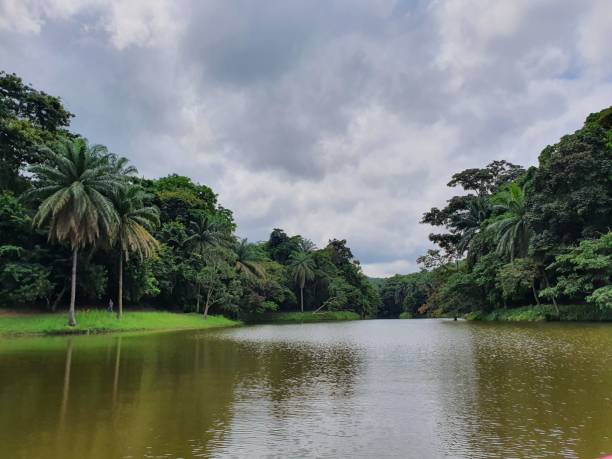
The Democratic Republic of Congo (DRC) is a land of extraordinary beauty and cultural diversity, offering intrepid travelers a unique and enriching experience. In this guide, we delve into essential DRC travel information, ensuring you're well-prepared to explore this fascinating destination.
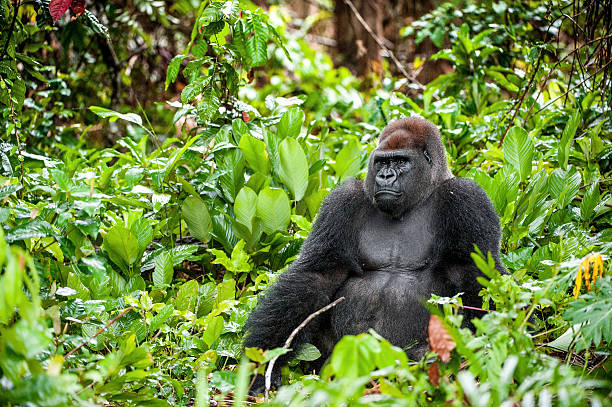
DRC's diverse landscapes, from dense rainforests to expansive savannas, make it a haven for nature enthusiasts. In the first leg of our DRC travel information journey, we explore the iconic Virunga National Park, home to endangered mountain gorillas. Learn about the best times to witness these majestic creatures and the necessary permits for a once-in-a-lifetime gorilla trekking experience.
The Congo River, one of the longest rivers in the world, weaves through the heart of the country. Discover the allure of river cruises, fishing excursions, and the cultural significance of this mighty waterway. Our DRC travel information provides insights into planning your river adventure and connecting with local communities along the Congo's banks.
Delve into the vibrant culture of DRC by exploring cities like Kinshasa and Lubumbashi. Uncover the rich history, art, and music that define these urban centers. Learn about traditional ceremonies and festivals that offer a glimpse into the soul of the nation. Our guide ensures you make the most of your cultural exploration in the DRC.
In the midst of your travel preparations, it's essential to stay informed about safety measures, visa requirements, and health precautions. The official website of the DRC's tourism board is a valuable resource for the latest updates.
External Link: Democratic Republic of Congo
As you embark on your journey to the Democratic Republic of Congo, our DRC travel information guide stands as your trusted companion. For a seamless and enriching experience, equip yourself with the knowledge provided here, ensuring that every moment in this Central African gem is truly extraordinary.
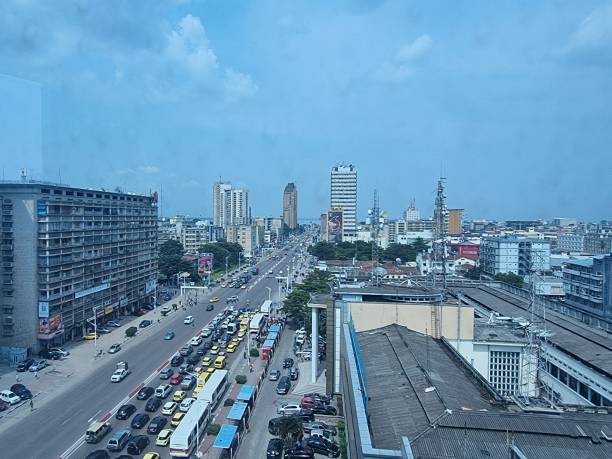

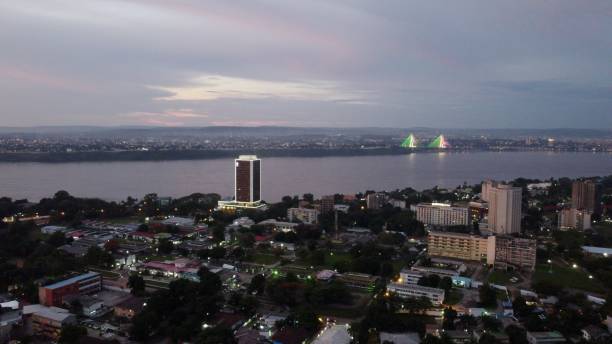

Should you decide to visit the Democratic Republic of Congo (DRC), we can arrange your pick up and accommodation, with the cost depending on the duration of your stay. However, if you have not pre-arranged your visit, you will most likely be arriving in the country by air at N'djili International Airport which is located in Kinshasa. It is located about 15km from the city center and the journey can take up to 1 hour during rush hours. If transport from the airport has not been arranged for you, you can hire a vehicle at a maximum cost of $40 to $60 from the airport to Kinshasa.
In terms of transportation, taxis and motorcycles are the most common modes of transport in Kinshasa. Taxis are widely available and can be hailed on the street or booked through a hotel or taxi company. The cost of a taxi ride varies depending on the distance and negotiation skills, with an average cost of $3 to $5 for a short ride. Motorcycles, known as "boda bodas," are also widely used and are cheaper than taxis, but they can be dangerous and are not recommended for long distances.
All visitors to the Democratic Republic of Congo must present a valid passport on entry with at least six months of validity beyond the date of entry.
Visitors need a visa to enter the Democratic Republic of Congo. The visa can be obtained from the nearest embassy or consulate of the Democratic Republic of Congo in their country of origin or residence. Here is a link to the website of the Embassy of the Democratic Republic of Congo in the United States where visa information can be found: https://www.ambardcusa.org/visa-and-consular-services/.
Business travellers will need a letter of invitation or introduction.
The cost of a single-entry visa for the Democratic Republic of Congo is $100, and a multiple-entry visa is $200. Visa fees should be paid in cash (US dollars) on arrival.
Nationals of the following countries do not require a visa to enter the Democratic Republic of Congo for stays up to 90 days: Angola, Central African Republic, Chad, Congo-Brazzaville, Kenya, Mauritius, Namibia, Niger, Rwanda, Seychelles, Tanzania, and Zambia. However, it is advisable to check with the embassy or consulate of the Democratic Republic of Congo in their country of origin or residence before travelling.
Public transportation in the Democratic Republic of Congo (DRC) can be challenging due to the poor state of the road infrastructure and the lack of reliable public transport. However, there are buses and taxis available in major cities such as Kinshasa, Lubumbashi, and Goma. In Kinshasa, taxis are the most common form of public transportation, and they are usually shared with other passengers. The fare is negotiable, but it can range from 500 to 1,000 Congolese Francs (about $0.30 to $0.60 USD).
In addition, there are private tour companies that offer car hire services with or without a driver for those who want to travel outside of the major cities. However, it is recommended to use reputable tour companies and to arrange for transportation in advance. The roads in the DRC can be dangerous due to poor conditions, reckless driving, and limited street lighting.
In the Democratic Republic of Congo, travel around cities and towns can be by "taxi" or "taxi-bus". These vehicles are usually shared and follow set routes, with fares ranging from 500 to 2,000 Congolese francs (CDF), depending on the distance travelled.
Private hire vehicles with or without a driver can be arranged through tour companies or car rental agencies.
Uber operates in Kinshasa, the capital city of Congo, and you are advised to download the app if needed.
For the more adventurous, "moto-taxi" (motorcycles) are a popular mode of transport in Congo. However, due to safety concerns, it is recommended to exercise caution or avoid using them altogether.
It is important to note that road conditions in Congo can be poor and road traffic accidents are common, so it is advisable to take precautions and use reputable transport options.
In the Democratic Republic of Congo, visitors can purchase SIM cards with loaded minutes from local mobile network providers. A passport may be required as identification to purchase a SIM card. Most areas in the country have mobile network coverage, and foreign phones are generally compatible with the networks in DRC. However, it is recommended to check with the mobile service provider before departure to ensure that the roaming feature is activated.
International calls can be made from mobile phones, and the rates are reasonable. Making calls from hotels may be expensive. Most hotels and restaurants offer WIFI access, but the bandwidth may vary from place to place and may not be as fast as some visitors are used to.
It is important to note that internet access and mobile network coverage may be limited in some remote areas of the country.
In the Democratic Republic of Congo, the official currency is the Congolese franc (CDF). Foreign currencies such as US dollars, Euros, and British Pounds can be exchanged at banks or licensed foreign exchange bureaus. However, it is important to note that the exchange rates at hotels are often less favorable compared to those at licensed bureaus.
Licensed foreign exchange bureaus can be found in most cities, including the capital city Kinshasa. The Bank of Congo website provides an indication of the current exchange rates for major currencies. Additionally, newspapers such as Le Potentiel and Le Soft International publish daily exchange rates for leading forex bureaus.
It is important to note that significantly poorer rates, up to 20% lower, may be offered for denominations of US$20 or less. Banks and forex bureaus also do not accept US dollar banknotes printed before 2000 due to the prevalence of forgeries during this period. Furthermore, any torn or blemished notes are not accepted regardless of how insignificant the damage may be.
Travellers are advised to carry cash in small denominations and to exchange money at licensed bureaus or banks to avoid being scammed or receiving counterfeit notes.
The official currency of the Democratic Republic of Congo (DRC) is the Congolese Franc (CDF). Notes in circulation are CDF 500, 1,000, 5,000, 10,000, 20,000, 50,000, and 100,000. Some hotels and businesses in major cities like Kinshasa may accept US dollars or Euros, but it's always best to have local currency on hand. ATMs are available in major cities, but they may not always accept international cards. It's advisable to exchange currency at banks or authorized exchange bureaus. Here's a link to a currency converter that can be used to check exchange rates for CDF: https://www.xe.com/currency/cdf-congolese-franc.
Due to the risk of credit card fraud and theft, it is recommended to exercise caution when using credit cards in the Democratic Republic of Congo (DRC). Credit card fraud has become more sophisticated, and incidents have been reported in major international hotels. It is advisable to carry cash and use it for transactions instead of relying solely on credit cards.
Visa and MasterCard are the most widely accepted credit cards in the DRC. However, some establishments may only accept cash or local credit cards. ATMs are available in major cities such as Kinshasa and Lubumbashi, and international credit cards are accepted by some banks, including Ecobank and Standard Bank. It is recommended to withdraw money from ATMs located inside banks and to avoid using ATMs in remote or poorly lit areas.
Travelers are advised to keep their credit cards and cash secure at all times and to avoid carrying large amounts of cash or displaying wealth in public. It is also recommended to check credit card statements regularly for any unauthorized transactions.
The Democratic Republic of Congo (DRC) also uses the East Africa Time Zone (EAT), which is GMT+2 from November to March and GMT+1 from April to October. The DRC does not utilize daylight saving time either.
It's important to keep in mind the time difference when traveling or scheduling appointments in the DRC. Many websites and apps can help you convert your local time to the DRC's time zone, such as Timeanddate.com.
In the Democratic Republic of Congo (DRC), banks are generally open from Monday to Friday from 8:00 to 16:00 and on Saturdays from 8:00 to 12:00. Some banks also have extended hours or are open on Sundays, especially in major cities like Kinshasa and Lubumbashi.
Major banks in the DRC include Banque Commerciale du Congo (BCDC), Rawbank, Standard Bank, and Trust Merchant Bank (TMB). These banks have branches and ATMs in various parts of the country, but services may be limited in more remote areas.
Visa and Mastercard are widely accepted in the DRC, especially in major cities and tourist areas. However, it's always a good idea to have some local currency (Congolese francs) on hand for smaller purchases and transactions.
As with any foreign country, it's important to take precautions when using ATMs in the DRC, such as using ATMs located inside banks or hotels and being aware of your surroundings. It's also a good idea to inform your bank of your travel plans and check for any fees or restrictions on using your card abroad.
Here are some links with more information on banking in the DRC:
In the Democratic Republic of Congo, the electricity supply is normally 220-240 volts AC, 50 cycles. Sockets are usually two-pin, round European standard, although some older buildings may have different types of sockets. Visitors may need a universal adaptor to use their electrical devices. Voltage fluctuations are common and power cuts can occur frequently. It is recommended to bring a surge protector to protect electronic devices from power surges.
There are also issues with the reliability of the electricity supply in the Democratic Republic of Congo, with frequent power outages and load shedding being common. Some areas may also have limited access to electricity. It is advisable to check with your accommodation provider regarding the reliability of the electricity supply in their area.
For more information on electricity in the Democratic Republic of Congo, visitors can refer to the website of the national electricity company, Société Nationale d'Electricité (SNEL) at https://snel.cd/.
In the Democratic Republic of Congo, the postal service is generally unreliable and slow. Inland postage can take anywhere from a few days to several weeks, and international mail can take up to a month or more to arrive. Due to issues with pilfering, it is not recommended to send parcels through the postal service.
Instead, it is advisable to use local courier services for physical deliveries. There are several reliable local courier companies in Congo, including SKYNET and CONGO EXPRESS. International courier services such as DHL, FedEx, and UPS are also well represented and available in the country.
Like Uganda, visitors to the Democratic Republic of Congo (DRC) must show a valid yellow fever vaccination certificate upon arrival. The certificate must be issued at least 10 days before the date of entry to the country. Failure to produce a valid certificate may result in vaccination at the airport at a cost of $50 or more. It is recommended to get vaccinated well in advance of travel to avoid any last-minute issues.
https://cd.usembassy.gov/u-s-citizen-services/local-resources-of-u-s-citizens/traveling-to-the-democratic-republic-of-the-congo/For travelers with disabilities, finding suitable accommodation and transportation can be challenging in the Democratic Republic of Congo. Accessible rooms are only available in a few high-end hotels, and accessible bathrooms are rare.
At airports such as Kinshasa's N'djili International Airport, wheelchair services are available upon request. However, it is important to note that other forms of transportation, such as buses and taxis, are not equipped to accommodate passengers with disabilities.
Tour companies in the Democratic Republic of Congo typically use 4x4 vehicles or minibuses, which can be difficult for passengers with mobility impairments. Although drivers and guides are often willing to assist, they may not have received training in accessibility needs. Passengers with skin sensitivity issues should also take extra precautions due to bumpy roads.
Unfortunately, there is limited information available online regarding disability-friendly travel options in the Democratic Republic of Congo. It is recommended to contact tour companies or hotels directly to inquire about accessibility accommodations.
The Democratic Republic of Congo also has a tropical climate, with temperatures varying depending on the region. In the equatorial regions, such as Kinshasa, the average temperature is around 25°C to 27°C with high humidity throughout the year. In the eastern part of the country, the temperature is cooler, with an average temperature of around 20°C.
The best time to visit the DRC is during the dry season, which runs from June to August and December to February. During these months, temperatures are cooler and there is less rainfall, making it easier to explore the country. However, it's important to note that temperatures can still be quite high in some regions, so it's important to come prepared with appropriate clothing and sunscreen.
Here's a useful link for more information on the climate in the DRC: https://www.worldweatheronline.com/kinshasa-weather-averages/kinshasa-cd.aspx
Car renting is a popular option for tourists and business travelers visiting the Democratic Republic of Congo. The country has several car rental companies that offer a range of vehicles for hire, including 4x4s and minibuses.
One of the popular car rental companies in Congo is Congo Cars Rental, which offers a variety of vehicles for hire, including 4x4s, sedans, and minibuses. Their rates vary depending on the type of vehicle and the duration of the rental. For example, a 4x4 rental for one day can cost around $120, while a minibus rental for a week can cost around $1,000.
Another popular car rental company in Congo is Europcar, which also offers a range of vehicles for hire, including luxury cars and SUVs. Their rates also vary depending on the type of vehicle and the duration of the rental. For example, a luxury car rental for one day can cost around $300, while an SUV rental for a week can cost around $1,500.
When renting a car in Congo, it's important to consider factors such as insurance coverage and driver requirements. Most car rental companies require renters to have a valid driver's license and be at least 21 years old. It's also important to inquire about insurance coverage, as some rental companies may only offer basic insurance coverage, which may not cover all damages in the event of an accident.
The Democratic Republic of Congo (DRC) is a multilingual country with over 200 languages spoken, reflecting its diverse ethnic and cultural makeup. Four major language families are present in the DRC - Bantu, Central Sudanic, Nilotic, and Ubangian. French is the official language inherited from the colonial period, and it is widely spoken in government and business settings. Lingala, Swahili, and Tshiluba are also recognized as national languages, with Lingala being used widely in Kinshasa and western regions, Swahili in the east, and Tshiluba in the central Kasai region.
In addition to the official languages, there are many other indigenous languages spoken in the country. These include Kikongo, Luba-Kasai, Luba-Katanga, and others. Due to the country's linguistic diversity, many Congolese people speak several languages fluently.
Here is a link to a website with more information about the languages spoken in the DRC: https://www.ethnologue.com/country/CD/languages
In the Democratic Republic of Congo, there are several sign languages used by the deaf community, including Congolese Sign Language (Langue des Signes Congolaise, LSC). However, LSC is not yet recognized in the country's constitution. There is a lack of resources and education for the deaf community in DRC, and as a result, LSC is not widely known or used. Nonetheless, there are efforts to promote the use of LSC and to improve the lives of the deaf community in DRC.
Here are some resources and organizations working to support the deaf community in DRC:
Unfortunately, I could not find specific information on rates for transportation or other services related to the deaf community in DRC.
Postal services take 3 to 5 days for inland postage and 8 to 12 days for international mail. It is not recommended to post parcels because of pilfering at the post office.Physical deliveries are handled by local courier services. International Courier services are well represented through companies like DHL, FedEx, UPS (DAKS)
In the Democratic Republic of Congo (DRC), the standard work week begins on Monday and ends on Friday, with some offices also working on Saturdays. The average working hours per week are 45 to 48 hours, with a lunch break. Most offices open from 08:00 to 17:00 with a lunch hour from 12:00 to 14:00.
It is important to note that working conditions in the DRC can vary greatly, with some companies having longer working hours and less favorable conditions. Additionally, there are certain sectors, such as mining and agriculture, where workers may have different work schedules and conditions.
In the Democratic Republic of Congo, particularly in the capital city of Kinshasa, visitors can also find a variety of international restaurants. Italian, French, Chinese, and Lebanese cuisines are particularly popular. Additionally, there are local restaurants that offer traditional Congolese dishes such as fufu, plantains, and cassava leaves.
In Kinshasa, some of the popular areas for dining out include Gombe, Kinshasa City Centre, and Ma Campagne. Gombe, in particular, is known for its upscale restaurants that offer a fine dining experience.
There are also several supermarkets in Kinshasa that sell both local and imported food items, including fresh produce. Some of the popular supermarkets include Shoprite, Kin Mart, and City Market. Visitors can also buy fresh food from the local markets, such as Marché de la Liberté and Marché Central.
Most restaurants in Kinshasa are halal, and vegetarians can find some options, particularly in Indian restaurants. Prices for meals in Kinshasa vary depending on the restaurant's location and type of cuisine, but visitors can expect to pay between $10 and $30 for a meal at a mid-range restaurant.
The Democratic Republic of Congo is also known for its rich and diverse arts and crafts. The country produces a variety of handicrafts including wood carvings, basketry, pottery, masks, and textiles. These handicrafts are often made using traditional techniques and designs that reflect the local culture.
If you are looking for a souvenir to take back with you, there are many art and craft shops in cities such as Kinshasa and Lubumbashi. Some popular areas to shop for handicrafts include the Centre d'Artisanat in Kinshasa and the Lubumbashi Cultural Center in Lubumbashi.
When shopping for handicrafts in the DRC, it is important to inquire about the people who make these items. Many disadvantaged and vulnerable groups, such as women's cooperatives and artisanal miners, engage in creating handicrafts as an income-generating activity.
Overall, purchasing handicrafts in the DRC not only provides a unique souvenir but also supports local communities and traditional craftsmanship.
In the Democratic Republic of Congo, the legal drinking age is also 18 years old, and it is illegal to drink and drive. Penalties for drug possession, use, or trafficking are severe, with convicted offenders facing long jail sentences and heavy fines.
It is important to note that the DRC has a high prevalence of counterfeit alcohol, which can be dangerous to consume. Travelers should be cautious when purchasing alcohol and ensure that they are buying from reputable sources.
In the Democratic Republic of Congo, photography of military personnel, government buildings, and diplomatic sites is prohibited. Travelers are advised to ask for permission before taking pictures of individuals. Additionally, taking photos of airports and other sensitive locations may lead to detention by security forces. It is important to be aware of these restrictions and to comply with them to avoid any potential legal issues or security risks.
Democratic Republic of Congo offers a range of outdoor activities, although the country is known to have security challenges in some areas. Some popular outdoor activities include hiking, trekking, and gorilla tracking in the Virunga National Park, which is home to the famous Mountain gorillas. Other outdoor activities include fishing and boating on the Congo River, bird watching, and game drives in various national parks. Congo also has a rich football culture, with the national team having participated in the Africa Cup of Nations and World Cup. Regarding indoor sports, options are more limited in Congo, but some gyms and fitness centers are available in major cities like Kinshasa and Lubumbashi. Pool and billiards are popular indoor activities in some of the bars and clubs in these cities. It's important to note that travelers should check the latest safety and security information before undertaking any outdoor activities in Congo. |
A handshake is appropriate in most situations. Handshakes tend to be energetic and very often linger a bit. To express extra deference, the hand-shaker may lightly grip his hand-shaking forearm with the opposite hand.
Many times the handshake is prolonged into hand-holding. This does not have any implication on their sexual preferences; it's just a sign of friendship and closeness.Meetings between Men and Women – Appropriate greetings depend on the nature of the relationship and region.
A handshake is usually appropriate but it is best to wait for the woman to extend her hand, otherwise a bow or a nod of acknowledgment will suffice.
Note: Always use your right hand when shaking hands. Greetings are leisurely and include time for social discussion.
The Democratic Republic of Congo has a rich and diverse culture with over 200 different ethnic groups. The country's culture is heavily influenced by its history of colonization and the traditional practices of its various ethnic groups.
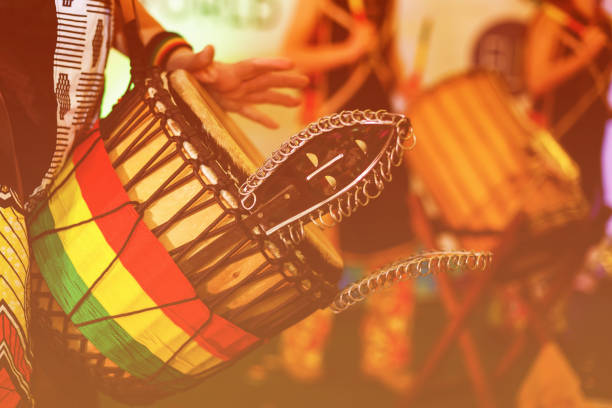
Music and dance play a significant role in Congolese culture. The country is known for its rumba and soukous music, which has gained popularity across Africa and the world. Traditional dances such as the Kete, Bwami, and Ndombolo are also important cultural practices.
Art and craftsmanship are also important parts of Congolese culture. The country is known for its intricate wood carvings, masks, pottery, and textiles. These crafts are often used in traditional rituals and ceremonies.
Food is also an essential part of Congolese culture. The country's cuisine varies depending on the region, with staple foods such as cassava, plantains, and rice being common. Congolese cuisine often features stews, soups, and grilled meats.
Religion is also a significant aspect of Congolese culture, with Christianity being the dominant religion. However, traditional beliefs and practices still play a role in the lives of many Congolese people.
The population of the Democratic Republic of Congo is estimated to be approximately 107 million people, making it the fourth most populous country in Africa and the sixteenth most populous country in the world. The majority of the population lives in rural areas, with only about 40% residing in urban areas.
According to the World Bank, the population growth rate in the DRC is 3.2% per year, which is one of the highest in the world. Despite its large population, the country is facing numerous challenges, including high rates of poverty, political instability, and armed conflicts in some regions.
The country has a GDP of $48.2 billion and a GDP per capita of $520 as of 2020.
In the Democratic Republic of Congo, there is also a large degree of religious freedom. The country is predominantly Christian, with a significant Muslim minority, as well as followers of traditional African religions. Religion plays an important role in society and is intertwined with social and political life.
The Catholic Church is the largest Christian denomination in the country, followed by Protestantism and Orthodox Christianity. Islam is the second-largest religion in the DRC, with a significant presence in the eastern part of the country. There are also adherents of traditional African religions, which vary by ethnic group.
Religion is also a significant part of political life in the DRC, with some political leaders actively seeking the support of religious leaders and communities. However, religious tensions have also flared up in the country, particularly in areas affected by conflict.
In the Democratic Republic of Congo (DRC), the following are public holidays:
Jan 1 New Year's Day
Jan 4 Martyrs of Independence Day
Jan 17 Patrice Lumumba Day
Mar 8 International Women's Day
Apr 2 Good Friday
Apr 5 Easter Monday
Apr 7 Genocide Memorial Day
May 1 Labour Day
May 17 Liberation Day
May 24 Ascension Day
Jun 30 Independence Day
Aug 1 Parents' Day
Aug 15 Assumption Day
Dec 25 Christmas Day
The flag of the Democratic Republic of Congo consists of a sky blue background with a red diagonal stripe running from the lower hoist side to the upper fly side. The upper hoist quadrant is yellow with a yellow, five-pointed star in the center. The lower fly quadrant is green with a yellow cornucopia above a crossed red hammer and hoe.
The blue background represents peace, while the red stripe represents the blood of martyrs who died for the country's independence. The yellow star symbolizes the country's bright future, while the green symbolizes the country's agriculture and the yellow cornucopia represents the country's wealth. The crossed hammer and hoe represent the country's workers and the yellow color symbolizes the country's mineral wealth.
Transportation
6. Tanzania Transportation system Local movements in Tanzania. 1. Dala Dala Transportation [...]
Swahili People
Street Famous Swahili Cuisine 1: Swahili Cuisine: Nyama Choma the delicious. 1: More than [...]
Swahili Language
Translation Apps to Swahili Language for Travelers to East Africa Traveling to [...]
African Knowledge
Africa's Response to COP28 Challenges and Economic Dynamics Discover the intricate challenges [...]
African Knowledge
Synthetic Hair in Kenya In the vibrant city of Kisumu, Kenya, a [...]
African Knowledge
Sustainable Practices in East African Agriculture Agriculture is the backbone of East [...]