Challenges of Wildlife Conservation in Kenya
Kenya, with its diverse ecosystems and rich biodiversity, is globally renowned for its extraordinary wildlife. However, the conservation of these precious natural assets faces a multitude of challenges. In this article, we'll delve into the complex issues surrounding wildlife conservation in Kenya and examine the efforts being made to protect the country's extraordinary natural heritage.
What Are the Challenges of Wildlife Conservation in Kenya?
1. Habitat Loss and Fragmentation
One of the primary challenges facing wildlife conservation in Kenya is habitat loss and fragmentation. As human populations grow, more land is needed for agriculture, infrastructure development, and urban expansion. This encroachment on natural habitats disrupts wildlife corridors, leading to isolation and reduced genetic diversity in animal populations.
2. Poaching and Illegal Wildlife Trade
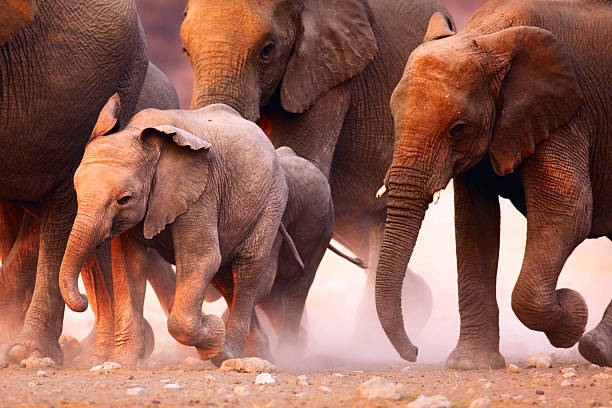
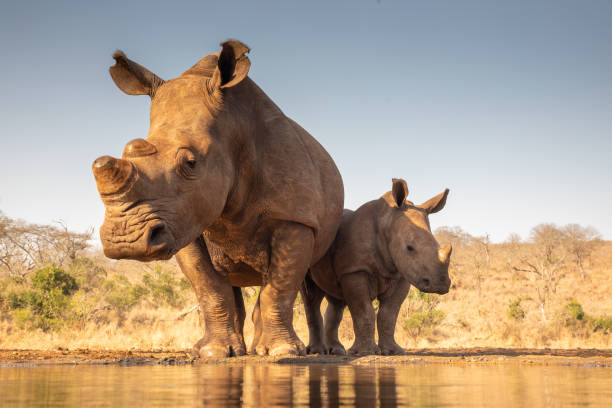
Poaching for ivory, rhino horn, and other wildlife products remains a significant problem in Kenya. The illegal wildlife trade threatens iconic species like elephants and rhinos. Although there have been commendable efforts to combat poaching, the battle continues to protect these animals from the threat of extinction.
3. Human-Wildlife Conflict
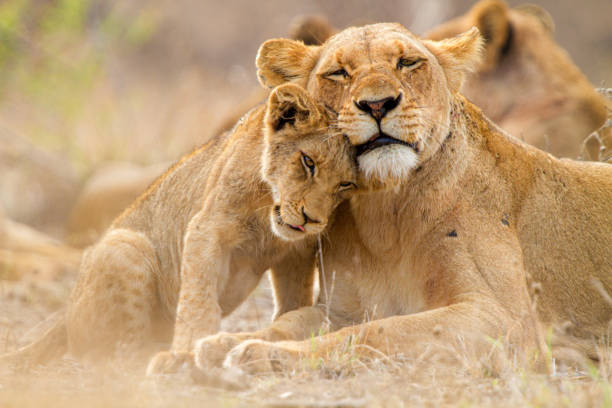
As human populations expand and settlements encroach on wildlife habitats, conflicts between humans and wildlife become more frequent. Elephants and big cats, in particular, are known to raid crops and livestock, leading to retaliatory killings and a negative perception of wildlife among affected communities.
4. Climate Change
Climate change is impacting wildlife conservation in Kenya by altering the habitats and distribution of various species. Rising temperatures and changing rainfall patterns can lead to shifts in the availability of resources, affecting the survival of both flora and fauna.
5. Invasive Species
Invasive species, such as the water hyacinth and the Nile perch in Lake Victoria, pose a threat to native ecosystems. They can outcompete and disrupt local species, leading to imbalances and changes in the food chain.
6. Lack of Adequate Resources
Conservation efforts require substantial resources, including funding, manpower, and technology. The inadequate allocation of resources can limit the effectiveness of conservation initiatives. This is particularly true for smaller and less-known species that may not receive the same level of attention as iconic megafauna.
7. Political and Legal Challenges
In some cases, political and legal challenges can hinder wildlife conservation. Issues related to land ownership, jurisdiction, and the enforcement of anti-poaching laws can be complex and slow-moving.
Conservation Efforts and Solutions
Despite these challenges, Kenya is dedicated to safeguarding its wildlife heritage. The country has implemented several key initiatives to address these issues:
- Community-Based Conservation: Encouraging local communities to actively participate in and benefit from conservation efforts.
- Anti-Poaching Measures: Deployment of well-trained anti-poaching units and the use of technology such as drones.
- Wildlife Corridor Restoration: Efforts to reconnect fragmented habitats and maintain wildlife migration routes.
- Environmental Education: Raising awareness and educating the public about the importance of wildlife conservation.
The Role of Tourism
Tourism plays a crucial role in Kenya's conservation efforts. Revenue generated from wildlife tourism contributes to funding conservation initiatives. It also highlights the economic value of preserving Kenya's natural heritage.
Learn more about wildlife conservation in Kenya
