
Sustainable Practices in East African Agriculture
Agriculture is the backbone of East Africa, providing livelihoods for millions. However, the region faces challenges such as climate change and soil degradation. In this article, we delve into the best sustainable practices in East African agriculture, showcasing innovative approaches that prioritize environmental health, foster resilience, and contribute to the overall sustainability of farming practices.
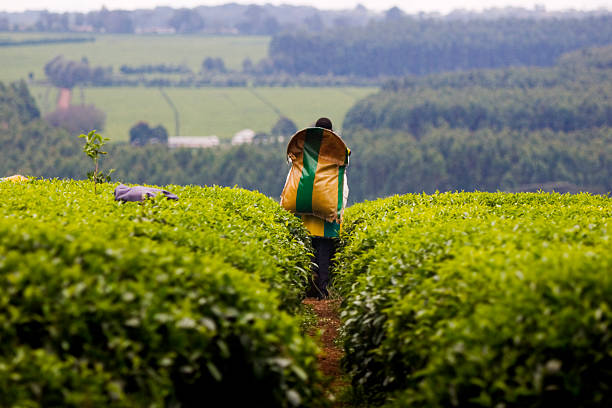
What Are the Best Sustainable Practices in East African Agriculture?
Sustainable Practices in East African Agriculture - Nurturing the Land for Future Generations
East African agriculture is at a crossroads, where the demand for increased productivity intersects with the need for environmental conservation. Sustainable practices offer a pathway forward, ensuring that the region's agriculture remains viable and resilient in the face of evolving challenges.
Agroecology: Harmonizing Agriculture with Nature
Sustainable Practices in East African Agriculture - The Power of Agroecology
Agroecology emphasizes the integration of ecological principles into farming systems. By optimizing natural processes, such as nutrient cycling and pest control, farmers can reduce their reliance on synthetic inputs. East African farmers are adopting agroecological practices to enhance soil health, biodiversity, and overall ecosystem resilience.
Conservation Agriculture: Protecting Soils for Future Harvests
Sustainable Practices in East African Agriculture - Tilling the Land with Conservation in Mind
Conservation agriculture minimizes soil disturbance, employs cover cropping, and encourages diverse crop rotations. These practices improve water retention, reduce erosion, and enhance soil fertility. In East Africa, where soil degradation is a pressing issue, conservation agriculture is proving instrumental in preserving the integrity of arable land.
Water Harvesting and Management: Navigating East Africa's Water Challenges
Sustainable Practices in East African Agriculture - Harnessing the Power of Water
Water scarcity is a significant concern in East Africa, impacting agricultural productivity. Sustainable water harvesting and management practices, such as rainwater harvesting and drip irrigation, help farmers maximize water use efficiency. These techniques play a pivotal role in ensuring crops receive adequate water, especially during periods of drought.
Agroforestry: Integrating Trees into Farming Systems
Sustainable Practices in East African Agriculture - Growing a Green Future
Agroforestry involves strategically integrating trees into agricultural landscapes. These trees provide a multitude of benefits, including improved soil structure, enhanced water retention, and diversified income sources for farmers. Through agroforestry, East African farmers are fostering a more sustainable and resilient agricultural system.
Organic Farming: Nurturing Healthier Soils and Crops
Sustainable Practices in East African Agriculture - Choosing Organic Wisdom
Organic farming avoids synthetic pesticides and fertilizers, prioritizing natural inputs and farming practices. East African farmers are increasingly embracing organic methods to promote soil health, reduce environmental impact, and meet the growing demand for organic produce both locally and globally.
Community-Based Agriculture: Fostering Local Resilience
Sustainable Practices in East African Agriculture - Strengthening Communities Through Agriculture
Community-based agriculture emphasizes collaboration and shared resources among farmers. By pooling knowledge, skills, and resources, communities enhance their collective resilience to environmental challenges. This approach empowers farmers to adapt to changing conditions while fostering a sense of community ownership.
Precision Agriculture: Technology for Sustainable Farming
Sustainable Practices in East African Agriculture - Precision for Progress
Precision agriculture utilizes technology, such as GPS-guided tractors and sensors, to optimize farming practices. By precisely applying inputs like water and fertilizers, farmers can reduce waste and environmental impact. East African farmers are leveraging technology to make informed decisions and enhance the efficiency of their operations.
Farmer Training and Education: Cultivating Knowledge for the Future
Sustainable Practices in East African Agriculture - Nurturing the Next Generation
Education plays a crucial role in the adoption of sustainable practices. Training programs and educational initiatives empower farmers with the knowledge and skills needed to implement environmentally friendly and resilient agricultural practices. Knowledgeable farmers are better equipped to adapt to changing conditions and contribute to the overall sustainability of East African agriculture.
Conclusion: Sowing the Seeds of a Sustainable Future
Sustainable Practices in East African Agriculture - Nurturing the Land, Nourishing the Future.
In conclusion, the adoption of sustainable practices in East African agriculture is not just a necessity; it is a pathway to a resilient and prosperous future. Through agroecology, conservation agriculture, water management, agroforestry, organic farming, community collaboration, precision agriculture, and ongoing education, farmers in East Africa are sowing the seeds of sustainable and regenerative agriculture.
