
How Does Climate Change Affect East African Agriculture?
East Africa's agriculture sector has long been the backbone of the region's economy, providing livelihoods for millions of people. However, the ever-growing challenges posed by climate change are threatening the stability and productivity of this vital sector. In this article, we will explore the profound impact of climate change on East African agriculture and the strategies being employed to adapt to these changing conditions.

1. Erratic Rainfall Patterns
Climate change has led to increasingly unpredictable rainfall patterns in East Africa. Prolonged droughts and intense, sporadic rainfall events have become more common. These erratic weather patterns make it difficult for farmers to plan and time their planting and harvesting activities. In some cases, crops are planted only to be destroyed by unseasonal rains or prolonged dry spells.
3. Water Scarcity
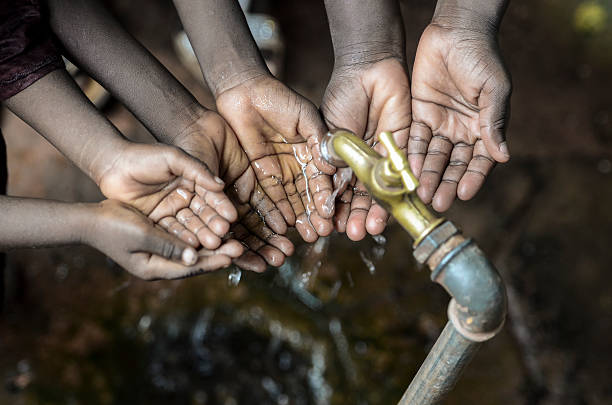
Access to water for irrigation is essential for agriculture, but climate change has led to water scarcity in many parts of East Africa. Glaciers in the region are melting, reducing the flow of rivers and streams that provide irrigation water. Prolonged droughts have also dried up water sources. This scarcity affects the productivity of farms and has a significant impact on food security.
5. Soil Erosion and Degradation
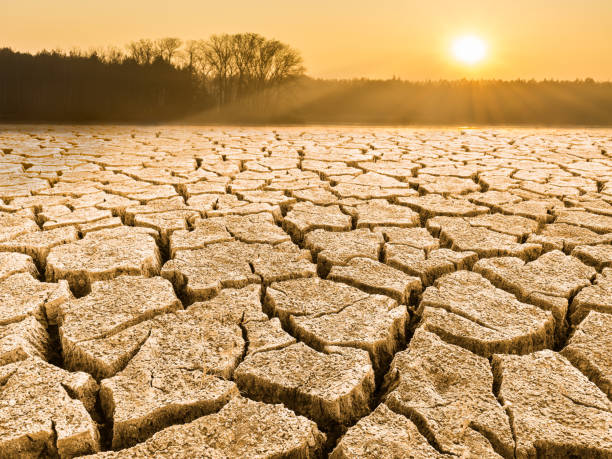
Extreme weather events, such as heavy rains and storms, contribute to soil erosion and degradation. This has a detrimental effect on the quality and fertility of the soil, reducing its capacity to support crops. Farmers are forced to invest in costly soil conservation practices to combat these issues.
2. Temperature Extremes
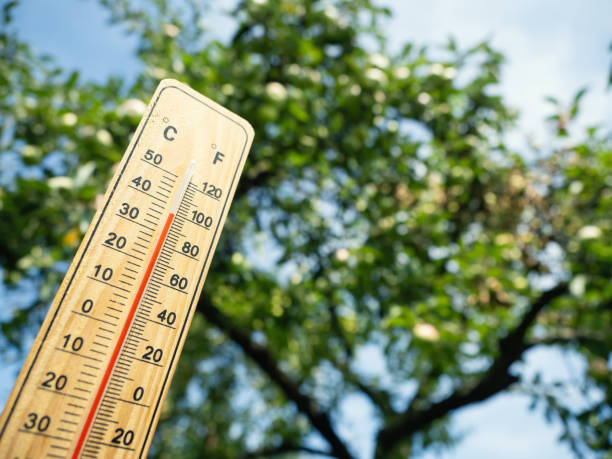
Rising temperatures are a significant concern for agriculture in the region. Increased heat can stress crops and reduce yields. In some areas, it has allowed the spread of pests and diseases that were previously kept in check by cooler temperatures. Staple crops like maize, sorghum, and millet are particularly vulnerable to heat stress.

4. Increased Pest and Disease Pressure
Rising temperatures and changing rainfall patterns create favorable conditions for pests and diseases. The fall armyworm, for example, has become a major pest in East Africa, affecting maize crops. Likewise, coffee leaf rust has devastated coffee plantations, a critical source of income for many East African farmers.

6. Crop Yield Variability
The combination of all these factors leads to significant crop yield variability. Farmers can no longer rely on consistent yields from season to season, which affects their income and food security. There is a need for more resilient crop varieties that can withstand the challenges posed by climate change.
Adaptation Strategies in East African Agriculture
Despite the challenges, East African farmers are implementing various adaptation strategies to cope with the impacts of climate change. These strategies include:
Sustainable Practices for East African Agriculture
Sustainable agricultural practices are essential for the long-term resilience of East African agriculture. These practices include agroforestry, organic farming, and the use of cover crops. They not only help mitigate the effects of climate change but also promote soil health and biodiversity.
In conclusion, climate change poses significant challenges to East African agriculture. Erratic rainfall patterns, rising temperatures, water scarcity, and increased pest pressure are just a few of the issues farmers face. However, through adaptation strategies and sustainable practices, the region is striving to build resilience and ensure food security for its growing population. Addressing the impacts of climate change on agriculture is not just a necessity; it is crucial for the future of East Africa.