
Imapct of coffee on Ethiopia’s Economy
Ethiopia, often referred to as the birthplace of coffee, has a unique relationship with this aromatic beverage. Beyond its cultural and historical significance, coffee plays a pivotal role in shaping the country’s economy. In this article, we’ll delve into how coffee impacts Ethiopia’s economy, from cultivation to export.
1. Cultivation and Employment

The coffee industry in Ethiopia provides employment to millions of people. Coffee farms, often small family-owned enterprises, employ a significant portion of the population. From planting and tending to coffee trees to harvesting the cherries, the entire process is labour-intensive. This creates livelihoods for countless Ethiopians and contributes to rural development.
2. Export Revenue
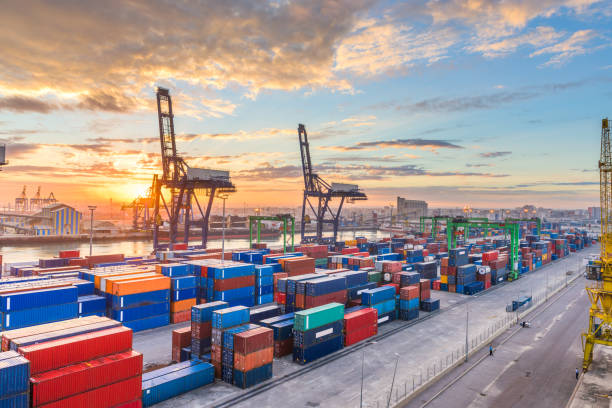
Ethiopia is one of the world’s largest coffee producers and exporters. The revenue generated from coffee exports significantly contributes to the country’s foreign exchange earnings. The export of coffee beans and processed coffee products, such as roasted beans and ground coffee, plays a crucial role in sustaining Ethiopia’s balance of payments.
3. Diversification of Income Sources

For many Ethiopian households, coffee serves as a valuable source of income diversification. The earnings from coffee cultivation can be used to supplement the income generated from other agricultural activities. This financial flexibility helps families navigate economic challenges and improve their overall well-being.
4. Infrastructure Development

The coffee industry has spurred infrastructure development in coffee-producing regions. Roads, transport networks, and processing facilities are vital for the efficient production and export of coffee. The government and private sector investments in these areas benefit not only the coffee industry but also the broader community.
5. Value Addition and Processing

Ethiopia has been increasingly focusing on adding value to its coffee products. By exporting processed coffee, such as roasted beans, instead of raw beans, the country can capture a larger share of the value chain. This strategy enhances the economic impact of coffee and creates more jobs in processing and packaging.
6. Cultural and Touristic Significance

Coffee is deeply ingrained in Ethiopian culture. The traditional coffee ceremony, where coffee is prepared and served with great care and ritual, is an integral part of social life. It also has a touristic appeal, attracting visitors who wish to experience the rich coffee culture of Ethiopia. Tourism revenue further contributes to the national economy.
7. Challenges and Sustainability

While coffee has a positive impact on Ethiopia’s economy, the industry faces challenges. Climate change, pests, and diseases can affect coffee crops. Sustainability practices are essential to ensure the long-term viability of coffee production. Initiatives for environmental conservation and sustainable farming practices are being promoted.
8. Government Support and Regulations

The Ethiopian government plays a vital role in regulating and promoting the coffee industry. Initiatives are in place to protect the unique regional coffee varieties and to maintain their quality and authenticity. The government also facilitates access to international markets for Ethiopian coffee.
In conclusion, coffee is not just a beverage in Ethiopia; it’s an economic cornerstone. Its influence on employment, export revenue, and infrastructure development is undeniable. Coffee is not only a source of income for millions but also a cultural treasure that defines Ethiopia’s identity. The nation’s efforts to promote sustainability and value addition are crucial for ensuring that coffee continues to be a driving force behind Ethiopia’s economic growth and development.
Read More:
Learn more about coffee’s impact on Ethiopia’s economy
Learn More about African Business and Lifestyle