
Traditions of the East African Tribes
East Africa is a region known for its cultural diversity, and within this diversity, various tribes have preserved their traditions for generations. Despite the rapid pace of modernization, East African tribes continue to uphold their cultural heritage through a range of practices and customs. In this article, we will explore how East African tribes preserve their traditions and ensure the continuity of their unique way of life.


How do East African Tribes Preserve Their Traditions?
Oral Traditions
Oral traditions play a central role in preserving the cultural heritage of East African tribes. Elders and storytellers within the community pass down history, myths, and legends through storytelling, songs, and poetry. These oral traditions are a means of keeping the tribe's history alive and are often a way for younger generations to learn about their roots.
Ceremonies and Rituals
Ceremonies and rituals are integral to the preservation of East African tribal traditions. These events are not only a way to mark significant life milestones but also serve as opportunities to pass down cultural knowledge and practices. Examples include initiation ceremonies, wedding rituals, and rites of passage that symbolize the transition from one life stage to another.
Traditional Clothing
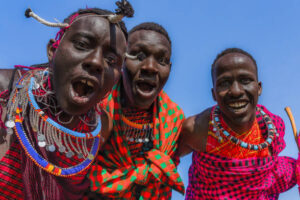
Traditional clothing is a visual representation of East African tribal identity. Each tribe has its distinctive attire, adorned with specific patterns, colors, and accessories that reflect their cultural significance. The wearing of traditional clothing is a way of expressing pride in one's heritage and a means of keeping the culture visible.
Art and Craftsmanship
East African tribes are known for their exceptional art and craftsmanship. Be it intricate beadwork, wood carvings, pottery, or basket weaving, these artistic expressions are not only a source of income for many tribes but also a way of preserving cultural motifs and designs. These crafts are passed down from one generation to the next, ensuring that the artistry remains a vital part of tribal culture.
Language Preservation
Language is a cornerstone of culture, and many East African tribes are taking measures to preserve their native languages. Efforts include establishing language schools, documenting oral histories, and promoting the use of traditional languages within the community. Language preservation is a vital component of safeguarding cultural identity.
Elders and Wisdom Keepers
Elders are revered in East African tribal communities as wisdom keepers. They are a living repository of traditional knowledge, customs, and rituals. The passing down of wisdom from the elders to the younger generation ensures that tribal traditions are not lost. Elders also play a crucial role in mediating conflicts and maintaining the social order.
Community Gatherings
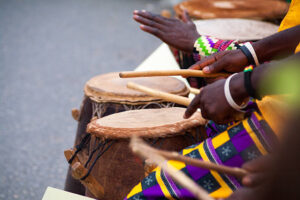
Community gatherings are opportunities for East African tribes to celebrate their culture. Festivals, dances, and events bring the community together, allowing for the exchange of traditions and the practice of rituals. These gatherings are not just a way to have fun but also a means of reinforcing the bonds that tie the tribe together.
Ethnographic Documentation
Scholars and researchers often conduct ethnographic documentation of East African tribes. This involves recording and studying the customs, traditions, and ways of life of these communities. Ethnographic studies are valuable in preserving tribal knowledge and making it accessible to a wider audience.
Conservation of Natural Resources
Many East African tribes have a strong connection to their natural environment. They practice sustainable resource management and have a profound understanding of the land, water, and wildlife that surround them. This harmonious relationship with nature is an integral part of their cultural traditions.
Tourism and Cultural Exchange
Tourism has provided a platform for East African tribes to share their traditions with a global audience. Visitors have the opportunity to engage with tribal communities, participate in cultural experiences, and learn about their way of life. This exchange not only generates income but also fosters a deeper appreciation of tribal cultures.
Future Challenges
While East African tribes have shown resilience in preserving their traditions, they face challenges in the modern world. Globalization, urbanization, and environmental changes can disrupt traditional ways of life. It is crucial to strike a balance between cultural preservation and adaptation to contemporary challenges.
For more insights into East African tribal traditions, visit this resource.
The preservation of East African tribal traditions is an ongoing process that requires effort and dedication. By celebrating their rich history, customs, and heritage, these tribes ensure that their unique way of life continues to thrive, even in the face of the modern world's rapid transformations. Through oral traditions, ceremonies, language, and artistic expression, the cultural identity of East African tribes remains a source of pride and strength.
Read More: