Wildlife Conservation Projects in East Africa
East Africa, with its diverse ecosystems and iconic wildlife, provides a unique opportunity for individuals passionate about conservation to make a lasting impact. In this guide, we will explore how you can volunteer for wildlife conservation projects in East Africa, contributing to the protection of the region's extraordinary biodiversity.
How to Volunteer for Wildlife Conservation Projects in East Africa?
1. Understanding the Importance of Wildlife Conservation
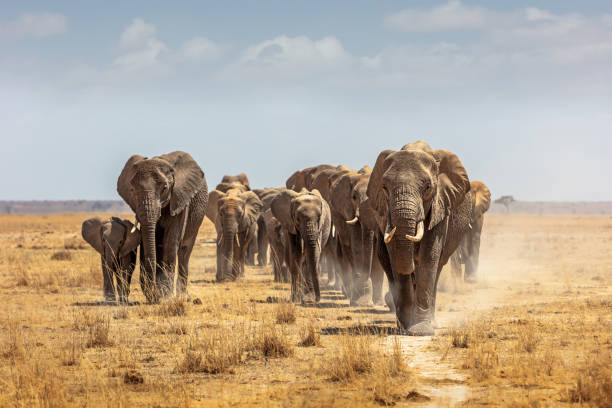
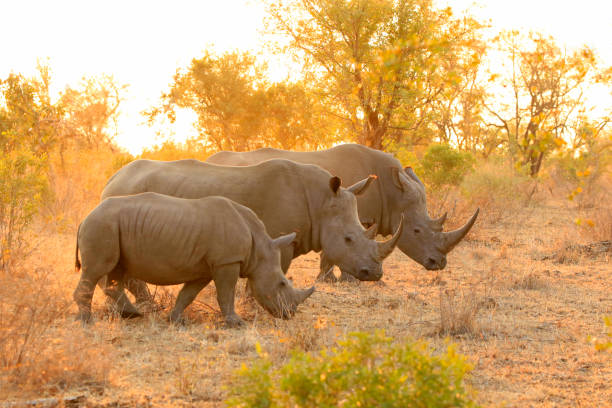
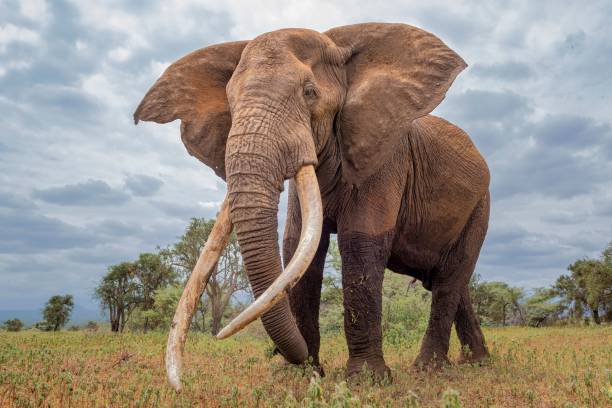
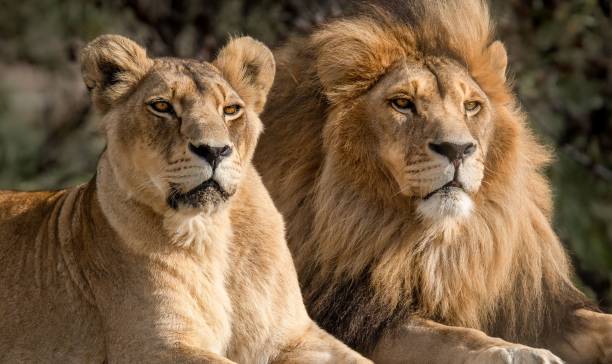
Before embarking on your volunteer journey, it's crucial to comprehend the significance of wildlife conservation in East Africa. The region is home to iconic species like elephants, lions, and rhinos, but these animals face threats such as poaching and habitat loss. Volunteers play a vital role in preserving the delicate balance of these ecosystems.
Delve into the challenges faced by East Africa's wildlife and understand why your contribution is essential for their survival.
2. Choosing the Right Wildlife Conservation Project
With a myriad of conservation projects available, selecting the one that aligns with your skills, interests, and values is crucial. Whether you are drawn to anti-poaching efforts, community-based conservation, or wildlife research, there's a project suited to your passion.
Explore the various facets of wildlife conservation projects and discover which aligns best with your goals and expertise.
3. Researching Reputable Conservation Organizations
As you begin your volunteer journey, it's essential to collaborate with reputable conservation organizations. Research their track record, the impact of their projects, and their commitment to ethical and sustainable practices. This step ensures that your efforts contribute to meaningful and responsible conservation initiatives.
Navigate the process of identifying and partnering with trustworthy conservation organizations committed to making a real difference.
4. Wildlife Monitoring and Research Opportunities
For those interested in the scientific aspects of conservation, participating in wildlife monitoring and research projects is a rewarding avenue. Tracking animal behavior, conducting biodiversity surveys, and collecting data contribute invaluable insights that inform conservation strategies.
Immerse yourself in the world of wildlife research, gaining hands-on experience that aids in the understanding and protection of East Africa's fauna.
5. Community Engagement and Conservation Education
Conservation is not only about protecting wildlife but also involves engaging with local communities. Volunteer opportunities in community-based conservation projects allow you to work alongside residents, fostering a sense of shared responsibility for the environment.
Explore initiatives that empower local communities through education, creating sustainable practices that benefit both people and wildlife.
6. Anti-Poaching Initiatives: Safeguarding Iconic Species
Participating in anti-poaching efforts is a direct way to protect East Africa's iconic species from illegal activities. Volunteers may assist in patrols, intelligence gathering, and community outreach to mitigate the threats posed by poaching.
Learn about the critical role played by anti-poaching initiatives and how you can actively contribute to safeguarding endangered species.
7. Conservation Volunteering in National Parks and Reserves
Many national parks and reserves in East Africa offer volunteer programs that allow participants to work closely with park rangers and conservationists. This hands-on experience provides a unique perspective on the day-to-day challenges faced in preserving these protected areas.
Discover opportunities to work directly within the heart of East Africa's national parks, contributing to the conservation and management of these vital areas.
Conclusion: A Conservation Journey of Impact
Volunteering for wildlife conservation projects in East Africa is a transformative experience that goes beyond personal enrichment. It is a commitment to the preservation of our planet's biodiversity and a chance to leave a positive and lasting legacy. As you embark on this conservation journey, remember that every effort counts, and together, we can make a meaningful difference in safeguarding the natural wonders of East Africa for generations to come.
