8 Hidden Gems of Madagascars Wildlife
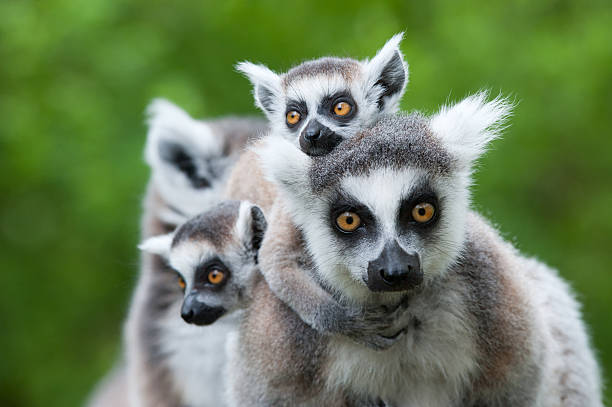
Madagascar, an island nation in the Indian Ocean, is renowned for its unique and diverse wildlife. While many are familiar with the famous lemurs that inhabit the country, there are numerous hidden gems in Madagascars wildlife that often go unnoticed. In this article, we will delve into these lesser-known creatures, shedding light on the remarkable and enigmatic species that call Madagascar home.
Madagascars Wildlife

The fossa is a top predator in Madagascar and the largest carnivore on the island. It's a creature of mystery, often described as a mix between a cat and a mongoose. The fossa is an agile and skilled hunter, capable of climbing trees in pursuit of lemurs. Although it may resemble a big cat, the fossa is more closely related to the mongoose family.

The aye-aye is one of Madagascar's most distinctive creatures. It has a unique and unsettling appearance, with large eyes, bushy tails, and long, bony middle fingers. The aye-aye is known for its foraging technique, tapping trees to detect hollow tunnels made by wood-boring insects and then using its specialized finger to extract the prey. It's a remarkable example of nature's creativity.
Madagascar is home to a variety of tenrecs, small mammals that resemble hedgehogs and shrews. The island's tenrecs come in various shapes and sizes, and they have adapted to a wide range of ecological niches. Some are insectivores, others are herbivores, and a few are semi-aquatic. Tenrecs showcase the fascinating diversity of Madagascar's wildlife.

The tomato frog is a colorful amphibian found in Madagascar. As the name suggests, some species of tomato frogs are bright red, resembling ripe tomatoes. These frogs are known for their distinctive coloration and the secretion of a sticky substance when threatened. They serve as a unique example of the island's amphibian diversity.

Mantella frogs, also known as poison dart frogs, are small and vibrant frogs found in Madagascar. They are known for their bright colors, which serve as a warning to potential predators that they are toxic. These frogs are essential for the island's ecosystems and are a prime example of the unique adaptations of Madagascar's wildlife.
Madagascar is also home to a remarkable diversity of leaf-tailed geckos. These reptiles have evolved incredible camouflage, making them appear like pieces of bark or leaves. Each species of leaf-tailed gecko has its unique appearance, blending seamlessly into its environment. These masters of disguise are a testament to nature's adaptability.
The giraffe weevil is a striking insect with an elongated neck that resembles the long neck of a giraffe. This weevil is known for its remarkable sexual dimorphism, where males have a more extended neck, which they use to fight with other males over mates. These weevils are not only intriguing due to their appearance but also for their fascinating behavior.

Madagascar is home to a variety of snakes, including the Madagascarophis colubrinus, a species of harmless snake. These snakes can be found in different color variations and play a crucial role in controlling local rodent populations. Their role in the island's ecosystems makes them a hidden gem in Madagascar's wildlife.
Conservation Challenges
While Madagascars wildlife is incredibly diverse and unique, it faces various conservation challenges. Habitat loss, deforestation, and the introduction of non-native species threaten many of the island's endemic creatures. Conservation efforts are essential to protect these hidden gems and ensure their survival for future generations.
To support conservation initiatives in Madagascar, you can visit this link.
Exploring Madagascar's Hidden Wildlife
Madagascars wildlife is a treasure trove of unique and remarkable creatures. From the enigmatic fossa to the colorful tomato frogs, these hidden gems enrich the island's ecosystems and demonstrate the beauty of biodiversity. While challenges persist, there is hope that conservation efforts can preserve these creatures and their habitats for generations to come. Exploring the lesser-known wildlife of Madagascar offers a deeper appreciation for the natural world's wonders and the importance of protecting them.
