Travel Zambia Secrets
Zambia is by far one of the most hidden gems in Africa; its natural wonders, beauty, vibrance, and diverse culture are second to none. One simply has to experience it to achieve that sense of wonder that can only be found in the nation of Zambia.
Zambia is a land-locked country located in the southern central part of the continent of Africa. It is surrounded by the neighbouring countries of Zimbabwe, Botswana, Namibia, Angola, Tanzania, Congo, Malawi, and Mozambique. The country is divided into 10 provinces and has a population of approximately 18 million people as of 2021.
Zambia was a British colonized country for 73 years and was known as Northern Rhodesia until 24 October 1964 when it gained its independence.
It changed its name to Zambia under the leadership of the country's first president, Kenneth D. Kaunda, who was the leader of the United Nations Independence Party (UNIP). The capital city of Zambia is Lusaka which is the largest city in the country, and the currency is the Zambian kwacha (ZMW).
Travel Zambia : The Regions:
The Country is divided into ten provinces: Central, Copperbelt, Eastern, Luapula, Lusaka, Northern, Muchinga, North-Western, Southern, and Western provinces. The fact that Zambia is divided into ten provinces explains the origin of the widely spoken languages in each province.
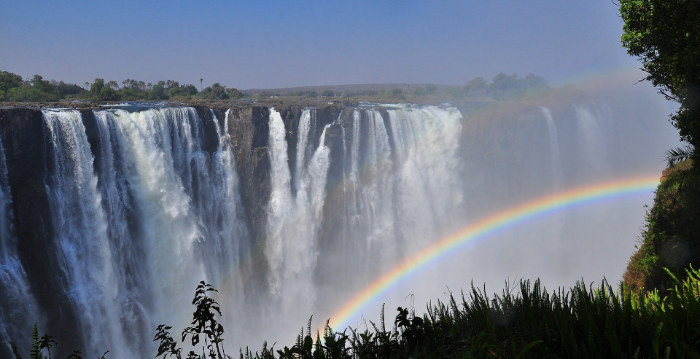
The three main regions in Zambia are the Northern, Central, and Southern regions. The Northern region is known for its wildlife reserves, including the South Luangwa National Park, which is home to a wide variety of animals such as lions, leopards, elephants, and hippos. The Central region is the location of the capital city, Lusaka, as well as several other cities such as Kabwe and Kapiri Mposhi. The Southern region is home to Victoria Falls, which is one of the largest waterfalls in the world and is a popular tourist attraction.
For instance, the Bemba language is widely spoken in the Northern, Luapula, Muchinga, and Copperbelt provinces. The Nyanja language is mostly spoken in Lusaka province, the Lozi language is widely spoken in the Western province, the Tonga language is spoken widely in the Southern province, and languages such as Lunda, Luvale, and Kaonde are spoken in the North-Western province.
Travel Zambia: Tourism
Tourism is a growing industry in Zambia, with visitors drawn to the country's natural beauty and wildlife.
Zambia is undoubtedly one of the best tourist destinations in the world, being the home of one of the seven wonders of the world: the mighty Victoria Falls located in Zambia's tourist capital Livingstone.
Thirty percent of the country's area is reserved for wildlife, and it comprises around 20 national parks including the Kafue national park, South Luangwa national park, and the Lower Zambezi national park.

Zambia is also home to some of the most famous lakes, including Lake Tanganyika, which is the world's longest lake, Lake Kariba and Lake Kashiba. It is also known for its vast rivers such as the Zambezi river that sources the Victoria Falls, the Luangwa river which is known for its fishing expeditions, and the Kafue river which is a water supply for most of the Zambian residents.
These beautiful lakes and rivers offer a lot of fun activities such as fishing, canoeing safaris, and boat rides. Besides the geographical beauty of the country, Zambia is also known for its natural resources which include copper, zinc, cobalt, uranium, and emeralds.
Population | The population of Zambia is largely concentrated in urban areas, with the majority of people living in the cities of Lusaka, Ndola, and Kitwe. However, there are also many rural areas throughout the country, particularly in the Northern and Eastern provinces. The population is diverse, with over 70 ethnic groups represented, each with its languages and customs. The current population of Zambia is estimated to be 19 million as of April 2021, which is equivalent to 0.24% of the world's total population. |
|---|---|
Religion | Zambia is a religiously diverse country, with Christianity and traditional beliefs being the most widely practiced. Approximately 75% of the population identifies as Christian, with the majority belonging to the Roman Catholic Church and various Protestant denominations such as the Anglican, Baptist, and Pentecostal churches. Around 20% of the population practices traditional religions, which vary widely across different ethnic groups in the country. The remaining 5% of the population is Muslim, Hindu, or follows other religions. |
Primary language | The official language of Zambia is English, inherited from its colonial history. English is used in the education, business, and commerce sectors. used in the education, business, and commerce sectors. However, there are over 70 different ethnic groups in Zambia, each with its language. The most widely spoken indigenous languages in Zambia include Bemba, Nyanja, Tonga, Lozi, and Lunda. |
Others languages | Zambia has around 73 local spoken languages with a few that are widely spoken and understood, examples being Bemba, Nyanja, Lozi, Tonga, Luvale, Lunda, and Kaonde. In addition to English and indigenous languages, there are also several other languages spoken in Zambia. These include Portuguese, which is spoken by a small minority of the population, and various Indian languages such as Gujarati and Hindi, spoken by the Indian community in Zambia. |
The following are some helpful tips for traveling in Zambia:
- Visa Requirements: Most foreign nationals require a visa to enter Zambia. You can obtain a visa on arrival at the airport or apply for one in advance from a Zambian embassy or consulate in your home country.
- Best time to visit: The best time to visit Zambia is during the dry season, which runs from May to October. The rainy season, which runs from November to April, can make some parts of the country inaccessible.
- Health precautions: Zambia is a malaria-prone country, so it's important to take malaria prophylaxis medication and use mosquito repellent while traveling there. It's also recommended to get vaccinated for other diseases like yellow fever and hepatitis A/B.
- Transportation: Zambia has a well-established network of buses, taxis, and private car hire services. Buses are the most common mode of public transport, but they can be slow and uncomfortable.
- Currency: The Zambian kwacha is the official currency of Zambia. You can exchange foreign currency at banks and foreign exchange bureaus in major cities.
- Language: English is the official language of Zambia, but Bemba, Nyanja, Tonga, and other local languages are also widely spoken.
- Safety: Like any other country, there are some safety concerns in Zambia. It's best to avoid walking alone at night, particularly in urban areas. Always keep your belongings close and be aware of your surroundings.
- Attractions: Zambia is known for its beautiful national parks, such as South Luangwa, Kafue, and Lower Zambezi, which offer fantastic opportunities for wildlife viewing. Other popular attractions include Victoria Falls, the largest waterfall in the world, and Lake Kariba, one of the world's largest man-made lakes.
I hope you find these tips helpful for your travels in Zambia!
Visit the Tourist Information Zambia
Read more Travel Africa articles